
Previous
Next
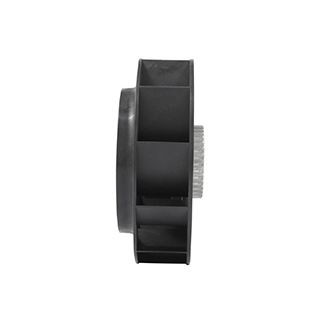
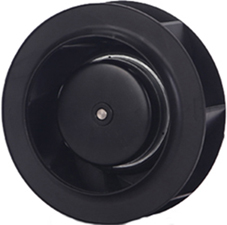
YUTEC 24VDC 48VDC 190mm 92motor EC centrifugal fan
- Fan model: YUTEC-B190DC92-024H-P02; YUTEC-B190DC92-048H-P02
- Rated Voltage: 024VDC;048VDC
- Rated Current: 2.5A;1.25A
- Rated Power: 62W
- Rated Speed: 3250RPM
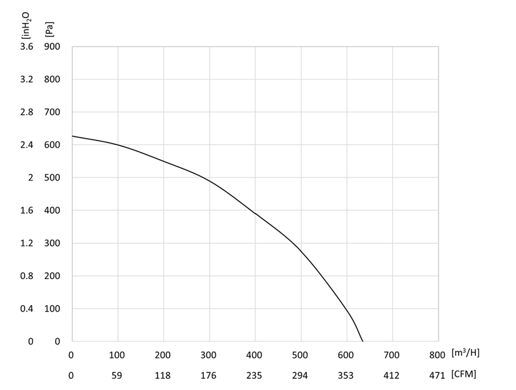
- Air Flow: 635M3/H
- Air Pressure: 627Pa
- Noise Level:68dBA
- Frequency: 50/60 Hz
- Weight:1.35KG
- Brand: YUTEC
Description
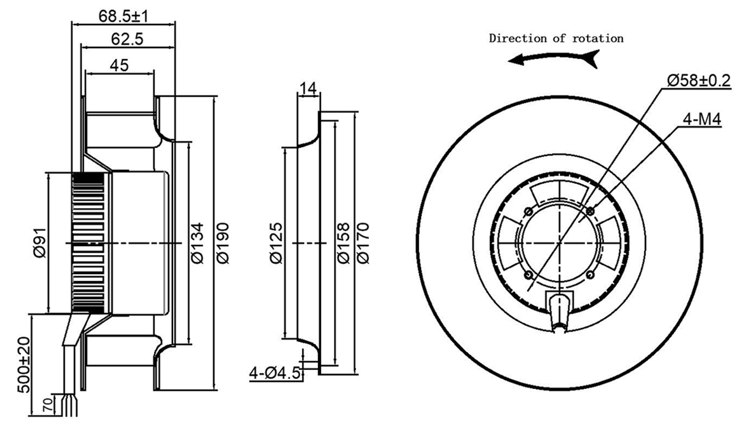
Dimensional drawing:
Performance Curve:
Connection Diagram:
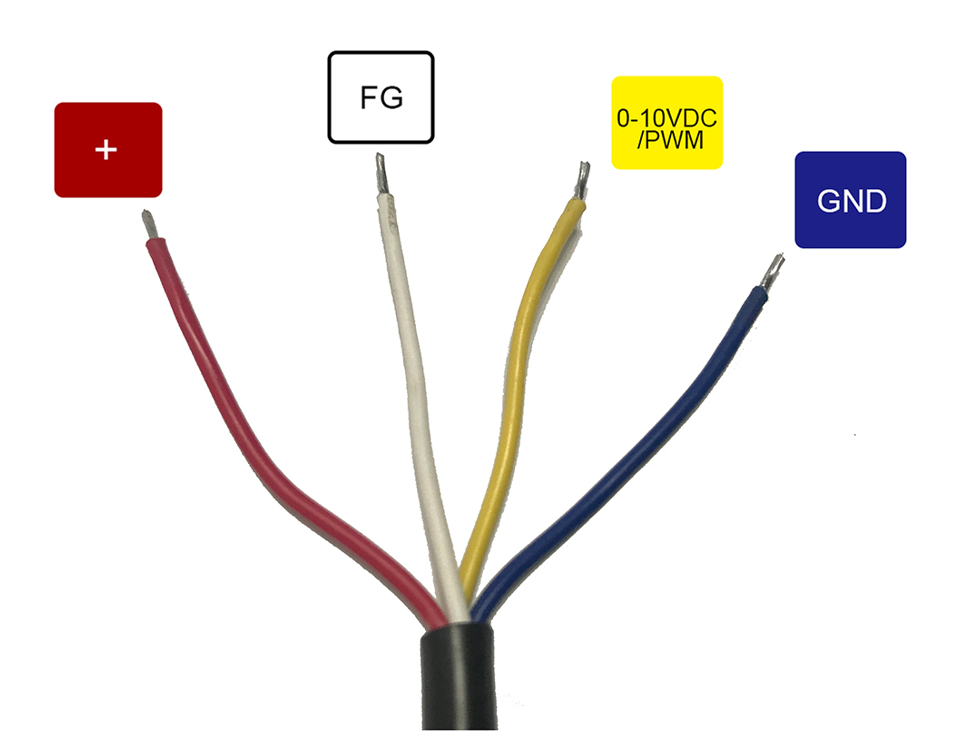
Description:
The aerodynamic design of a backward-curved centrifugal fan centers on optimizing blade curvature to balance pressure generation and energy consumption. The blades are shaped such that their trailing edges curve backward relative to the direction of rotation. This curvature ensures that air exits the blades at a velocity closer to the blade tip speed, reducing kinetic energy losses that would otherwise occur if the air were ejected at higher speeds. The fan’s pressure-volume (P-Q) curve is steep, meaning a small reduction in flow rate results in a significant increase in pressure. This characteristic makes backward-curved fans suitable for applications requiring stable pressure output, such as pneumatic conveying or air handling units. Their design also minimizes noise and vibration, as the smoother airflow reduces turbulence-induced acoustic emissions.
Specifications:
Brand Name | YUTEC |
Impeller Material | PA66+GF25 |
Motor Type | BLDC External Rotor Motor |
Type of Protection | IP44 |
Insulation Class | Class B |
Speed Control | 0-10VDC/PWM |
Bearing | Ball Bearing |
Signal Output | FG |
Life Expectance | 50,000 Hours |
Electrical Protection | Locked Rotor Protection |
Reverse Polarity Protection | |
Over Voltage Protection | |
Soft Start |
Competitive Advantage:
Backward-curved fans operate without the risk of overloading that plagues forward-curved designs. At high static pressures, forward-curved fans may draw excessive current, risking motor burnout. In contrast, backward-curved fans naturally limit power consumption, preventing thermal overload and enhancing safety. This feature is critical in fire suppression systems or hazardous environments where reliability is non-negotiable.