
Previous
Next
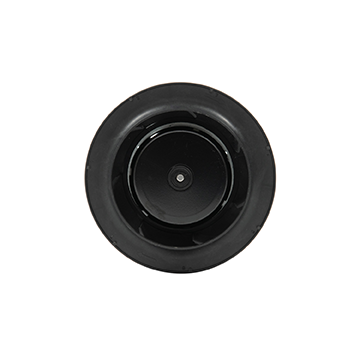
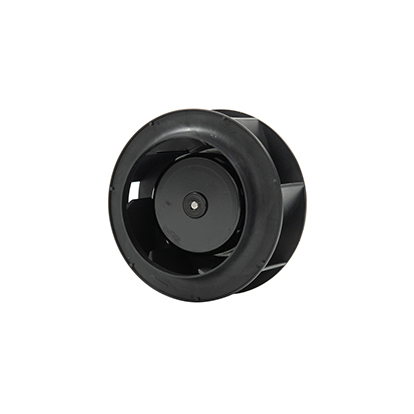
YUTEC 115VAC 230VAC 133mm Plastic impeller Backward Curved Centrifugal Fan
- Fan model: YUTEC-B133EC72-115H-P02; YUTEC-B133EC72-230H-P02
- Rated Voltage: 115VAC;230VAC
- Rated Current: 0.7A; 0.35A
- Rated Power: 45W
- Rated Speed: 4500RPM
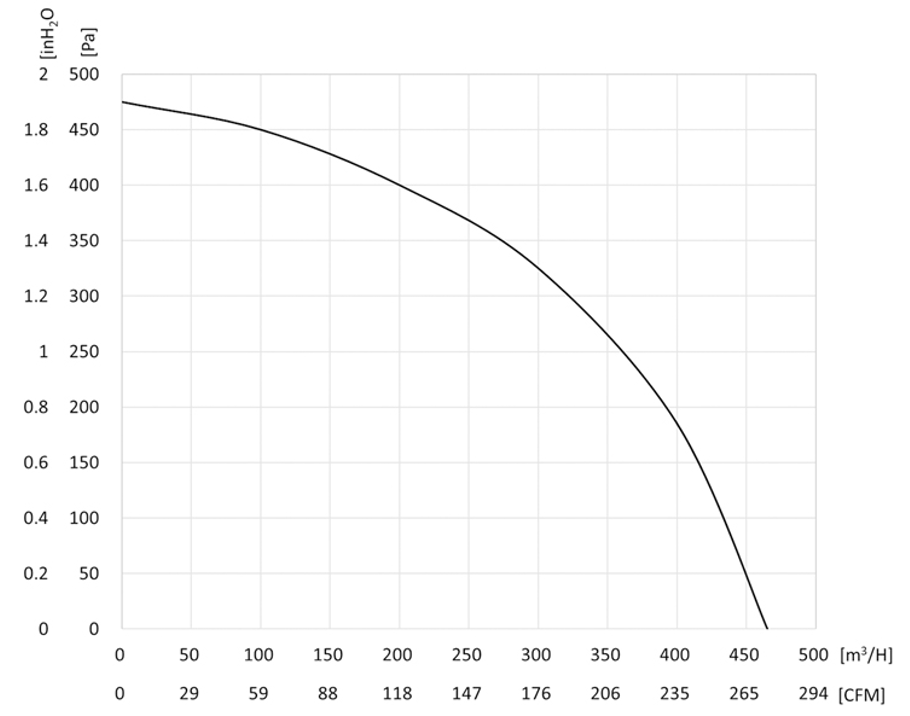
- Air Flow: 470M3/H
- Air Pressure: 475Pa
- Noise Level:70dBA
- Frequency: 50/60 Hz
- Weight:1KG
- Brand: YUTEC
Description
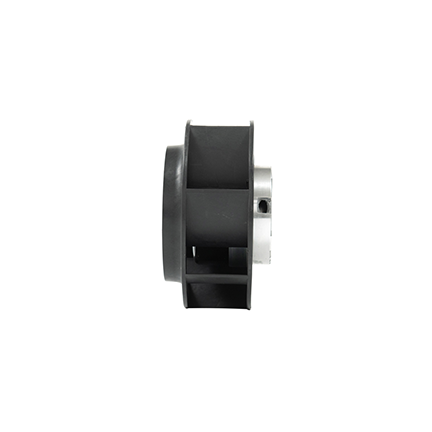
Dimensional drawing:

Performance Curve:
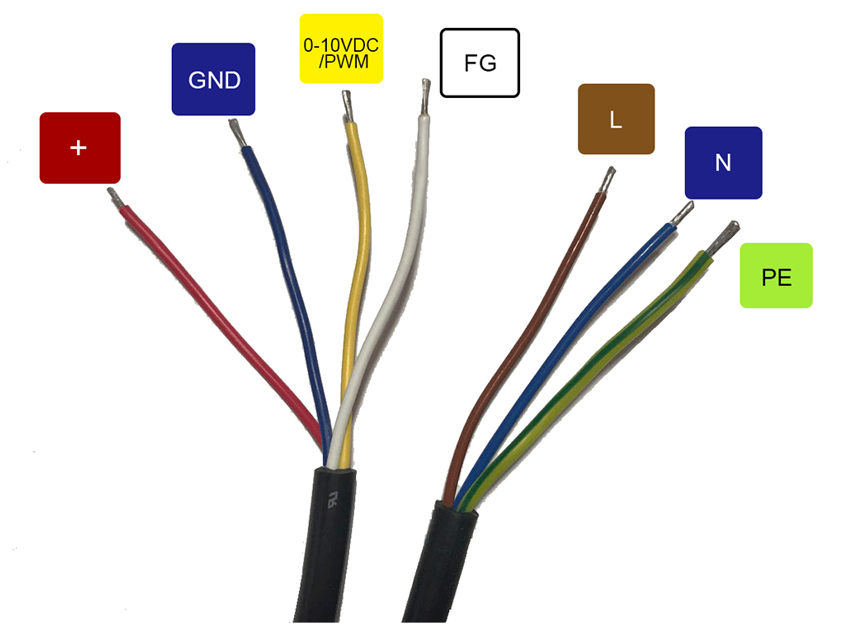
Connection Diagram:
Product Description:
The backward curved centrifugal fan represents a cornerstone of modern ventilation and industrial process systems, renowned for its optimal balance of pressure development, energy efficiency, and operational reliability. Unlike forward-curved or radial-bladed designs, its unique blade geometry features convex curvature that directs airflow tangentially away from the impeller hub, creating a high-pressure output profile while minimizing noise and power consumption. The backward curvature profile enables the fan to achieve peak efficiency in mid-to-high static pressure applications. As air enters the impeller eye, the curved blades progressively accelerate the fluid stream, converting rotational kinetic energy into static pressure through controlled diffusion. This design inherently reduces turbulent losses compared to forward-curved alternatives, enabling sustained performance even under variable system resistances. The non-overloading characteristic—where power demand stabilizes at peak efficiency points—protects motor systems from thermal stress during transient operating conditions.
Specifications:
Brand Name | YUTEC |
Impeller Material | PA66+GF25 |
Motor Type | BLDC External Rotor Motor |
Type of Protection | IP44 |
Insulation Class | Class B |
Speed Control | 0-10VDC/PWM |
Bearing | Ball Bearing |
Signal Output | FG |
Life Expectance | 50,000 Hours |
Electrical Protection | Locked Rotor Protection |
Reverse Polarity Protection | |
Over Voltage Protection | |
Soft Start |
Competitive Advantage:
1.High Efficiency & Energy Savings
The aerodynamically optimized backward curved blade profile minimizes turbulent airflow losses, enabling these fans to achieve peak efficiency at mid-to-high static pressure conditions. Unlike forward-curved fans, which suffer from rapid efficiency drops under pressure variations, backward curved models maintain stable performance across fluctuating system resistances. This translates to 10–25% lower energy consumption in applications like HVAC systems, dust extraction, and process drying, directly reducing operational costs and carbon footprints.
2.Non-Overloading Power Characteristic
A key safety and economic advantage is their inherent torque-limiting behavior. As system resistance increases, power demand stabilizes at the fan’s peak efficiency point rather than escalating uncontrollably. This eliminates the risk of motor burnout during blocked airflow events (e.g., clogged filters) and allows downsizing of motor ratings, lowering both initial capital investment and long-term maintenance expenses.
3. Quiet Operation & Vibration Control
The smooth airflow transition through the backward curved impeller reduces turbulent noise generation, with acoustic levels typically 5–10 dBA quieter than radial-bladed alternatives. Combined with precision-balanced impellers and vibration-damped motor mounts, these fans meet stringent noise regulations in office buildings, hospitals, and residential complexes without compromising airflow performance.