
Previous
Next
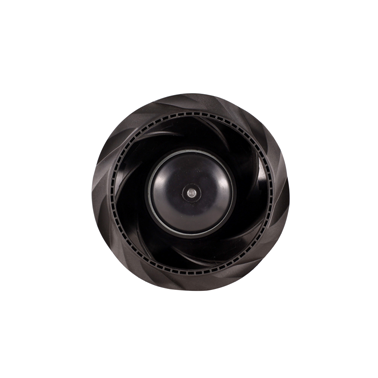
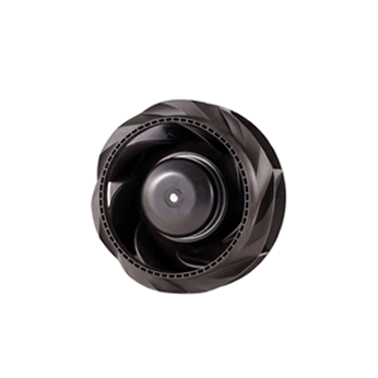
YUTEC 115VAC 230VAC 175mm Plastic impeller Backward Curved Centrifugal Fan
- Fan model: YUTEC-B175EC72-115H-P22; YUTEC-B175EC72-230H-P22
- Rated Voltage: 115VAC;230VAC
- Rated Current: 1.72A; 0.86A
- Rated Power: 110W
- Rated Speed: 4300RPM
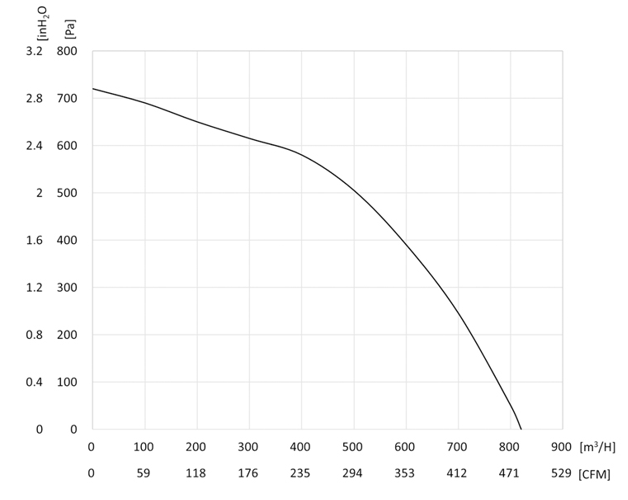
- Air Flow: 820M3/H
- Air Pressure: 720Pa
- Noise Level:74dBA
- Frequency: 50/60Hz
- Weight: 1.2KG
- Brand: YUTEC
Description
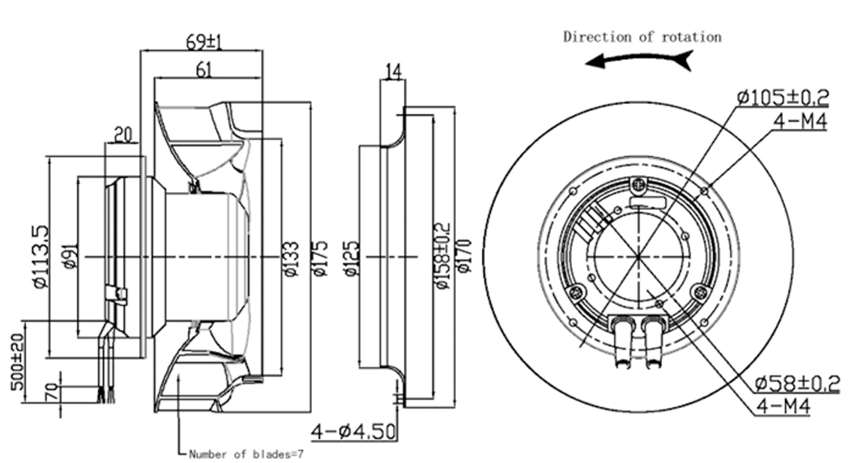
Dimensional drawing:
Performance Curve:
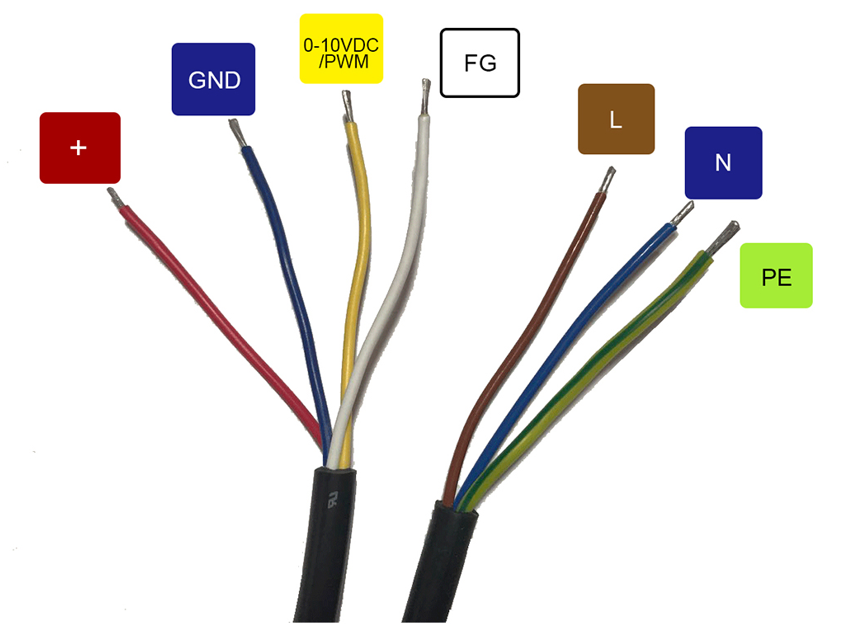
Connection Diagram:
Description:
Backward curved centrifugal exhaust fans are engineered for high-efficiency air movement in industrial, commercial, and institutional environments where static pressure resistance is a critical challenge. Unlike axial or forward-curved designs, these fans utilize scientifically optimized blade curvature to generate airflow more effectively, making them ideal for applications like factory exhaust systems, kitchen hoods, tunnel ventilation, and HVAC duct networks.
Their key strength lies in the backward-curved impeller geometry, which allows the fan to convert rotational energy into pressure with minimal energy waste. This design ensures stable airflow even against backpressure (e.g., clogged filters, long duct runs) without overloading the motor—a common issue with forward-curved fans. As static pressure increases, the fan’s power demand levels off or decreases, safeguarding the motor and reducing energy costs
Specifications:
Brand Name | YUTEC |
Impeller Material | PA66+GF25 |
Motor Type | BLDC External Rotor Motor |
Type of Protection | IP44 |
Insulation Class | Class B |
Speed Control | 0-10VDC/PWM |
Bearing | Ball Bearing |
Signal Output | FG |
Life Expectance | 50,000 Hours |
Electrical Protection | Locked Rotor Protection |
Reverse Polarity Protection | |
Over Voltage Protection | |
Soft Start |
Competitive Advantage:
1.Energy Efficiency & Low Operating Costs
The unique backward-curved blade geometry enables the fan to operate at peak efficiency without requiring a pre-spin device (unlike forward-curved fans). This design minimizes aerodynamic losses, allowing the fan to achieve higher static pressure (e.g., 500–3,000 Pa) at lower power consumption. Businesses benefit from reduced electricity bills and carbon footprints, making them ideal for 24/7 applications like commercial HVAC, industrial ovens, or tunnel ventilation.
2.Non-Overloading Motor Protection
Unlike forward-curved fans, which risk motor burnout under high static pressure, backward-curved fans exhibit a self-limiting torque curve. As airflow resistance increases, the fan’s power demand plateaus or decreases, safeguarding the motor from overload. This feature eliminates the need for oversized motors or costly protective relays, enhancing reliability and lowering maintenance costs.
Quiet, Stable Operation
3. The aerodynamic efficiency of backward-curved blades reduces turbulence and noise compared to radial or paddle-wheel designs. Operating at 60–75 dBA (depending on size), they are suitable for noise-sensitive environments such as offices, hospitals, or residential buildings. Vibration-damped construction further minimizes mechanical noise, ensuring smooth, low-disturbance operation.