
Previous
Next
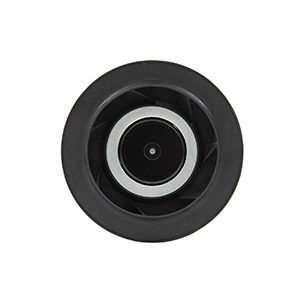
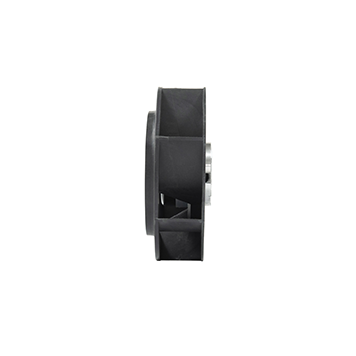
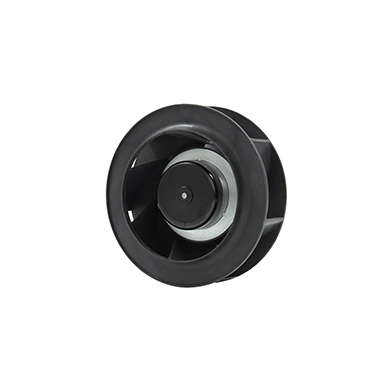
YUTEC 175mm centrifugal fan 115v 230v 800CMH
- Fan model: YUTEC-B175EC72-115H-P02; YUTEC-B175EC72-230H-P02
- Rated Voltage: 115VAC;230VAC
- Rated Current: 1.76A; 0.88A
- Rated Power: 115W
- Rated Speed: 4500RPM
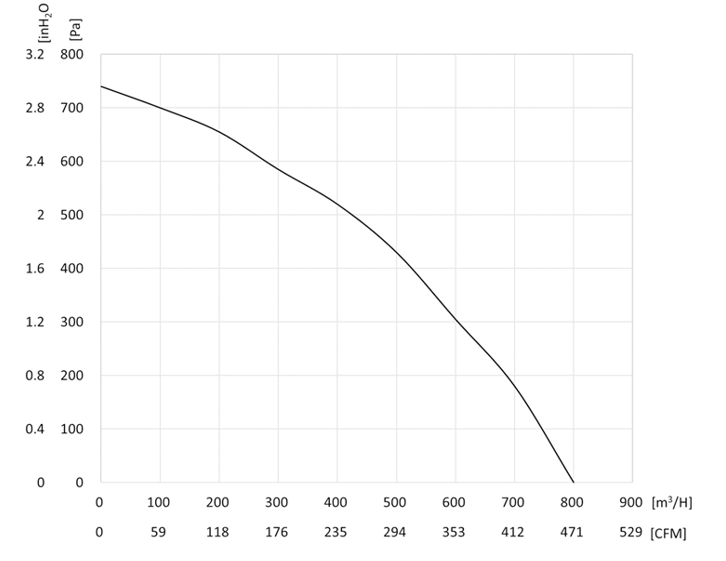
- Air Flow: 800M3/H
- Air Pressure: 740Pa
- Noise Level:76dBA
- Frequency: 50/60Hz
- Weight: 1.2KG
- Brand: YUTEC
Description
Dimensional drawing:
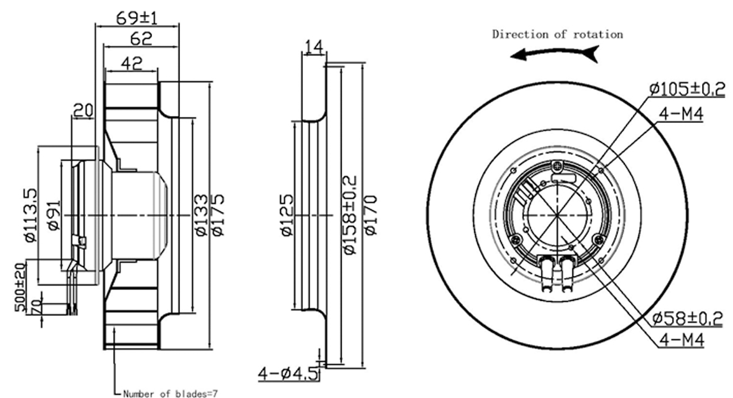
Performance Curve:
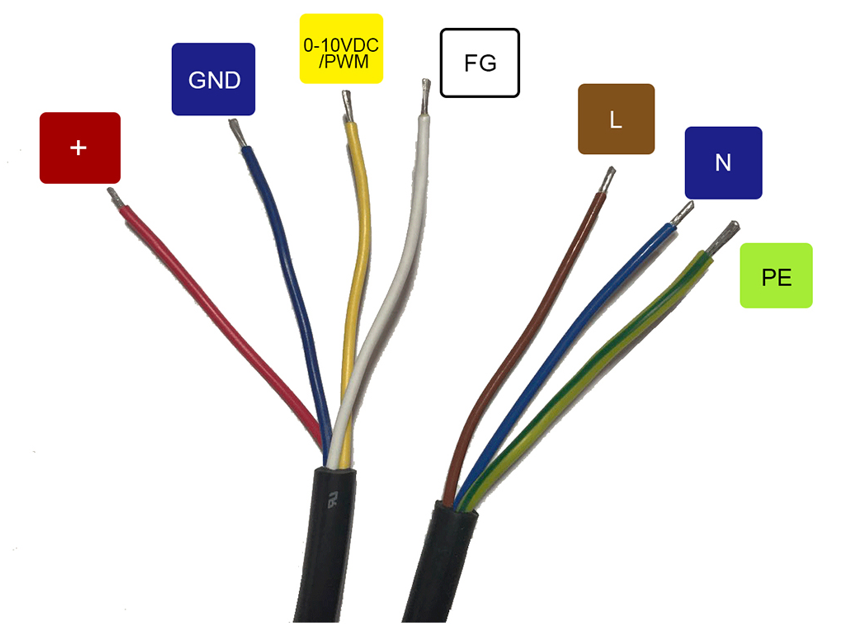
Connection Diagram:
Description:
Energy efficiency: Lower power consumption (typically 10–20% less than axial fans) for high-pressure tasks.
Quiet operation: Reduced turbulence and vibration (60–75 dBA) suit noise-sensitive areas like offices or hospitals.
Durability: Heavy-duty materials (galvanized steel, aluminum) resist corrosion, heat, and particulate buildup, extending service life.
Space efficiency: Compact design delivers higher pressure in smaller units compared to axial alternatives, freeing up floor space.
Additionally, backward curved fans support customization (e.g., explosion-proof motors for hazardous zones, speed controllers for variable loads) and comply with global standards (AMCA, ATEX, CE).
In summary, these fans excel where reliability, efficiency, and adaptability matter most. Whether exhausting fumes from a manufacturing plant or ventilating a multi-story building, their proven performance makes them a trusted choice for engineers and facility managers worldwide.
Specifications:
Brand Name | YUTEC |
Impeller Material | PA66+GF25 |
Motor Type | BLDC External Rotor Motor |
Type of Protection | IP44 |
Insulation Class | Class B |
Speed Control | 0-10VDC/PWM |
Bearing | Ball Bearing |
Signal Output | FG |
Life Expectance | 50,000 Hours |
Electrical Protection | Locked Rotor Protection |
Reverse Polarity Protection | |
Over Voltage Protection | |
Soft Start |
Competitive Advantage:
1.Compact Size, High Performance
By converting rotational energy into pressure more effectively, backward-curved fans achieve higher airflow rates (500–50,000 CFM) in a smaller footprint than axial fans. This makes them indispensable for space-constrained applications like kitchen hoods, server rooms, or underground parking systems, where ducting resistance is high.
Durability in Harsh Conditions
2.Constructed with galvanized steel, aluminum, or corrosion-resistant coatings, these fans endure extreme temperatures (-25°C to +65°C), humidity, and particulate-laden air (e.g., woodworking shops, foundries). Their robust design withstands continuous duty cycles (S1 rating) and requires minimal cleaning, thanks to self-cleaning blade profiles that repel dust buildup.
3. Available in direct-drive or belt-drive configurations, backward-curved fans adapt to system requirements. Options include ATEX certifications for explosive environments, speed controllers (VFD/PWM), and corrosion-resistant coatings (e.g., epoxy, stainless steel) for chemical plants or marine applications.