
Previous
Next
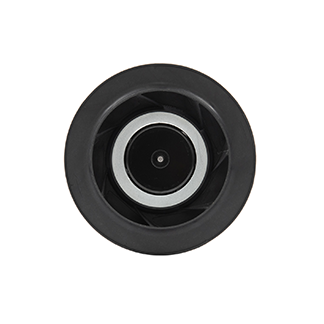
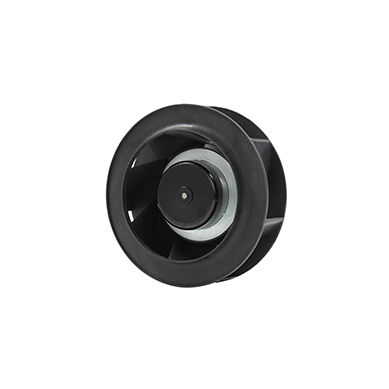
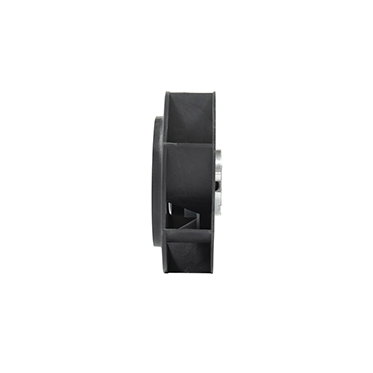
YUTEC 190mm Backward curved centrifugal fan 115vac 230vac
- Fan model: YUTEC-B190EC72-115M-P12; YUTEC-B190EC72-230M-P12
- Rated Voltage: 115VAC;230VAC
- Rated Current: 1.3A; 0.65A
- Rated Power: 85W
- Rated Speed: 3200RPM
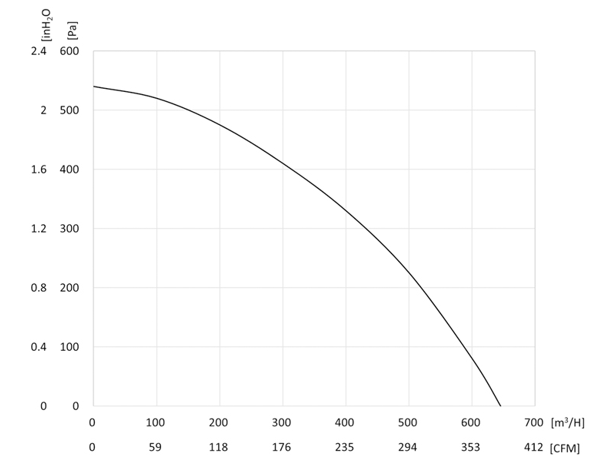
- Air Flow: 645M3/H
- Air Pressure: 540Pa
- Noise Level:64dBA
- Frequency: 50/60Hz
- Weight: 1.2KG
- Brand: YUTEC
Description
Dimensional drawing:
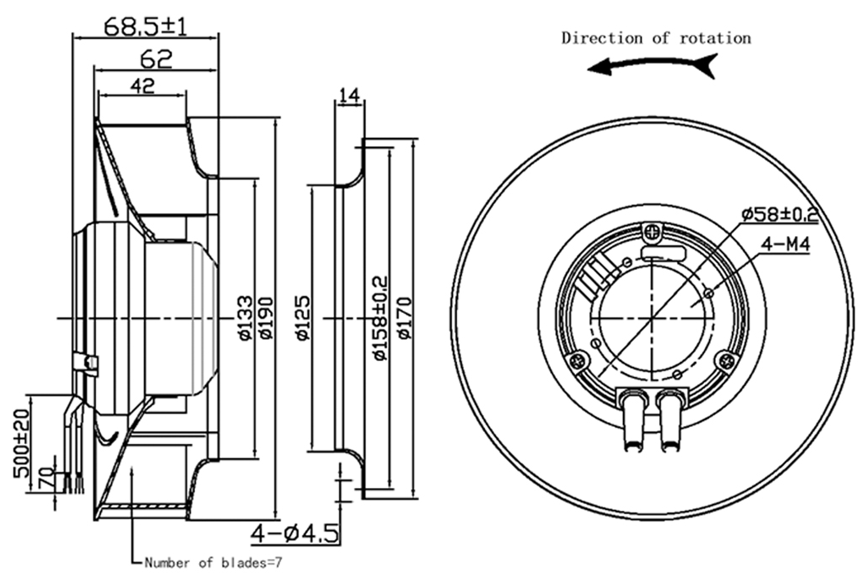
Performance Curve:
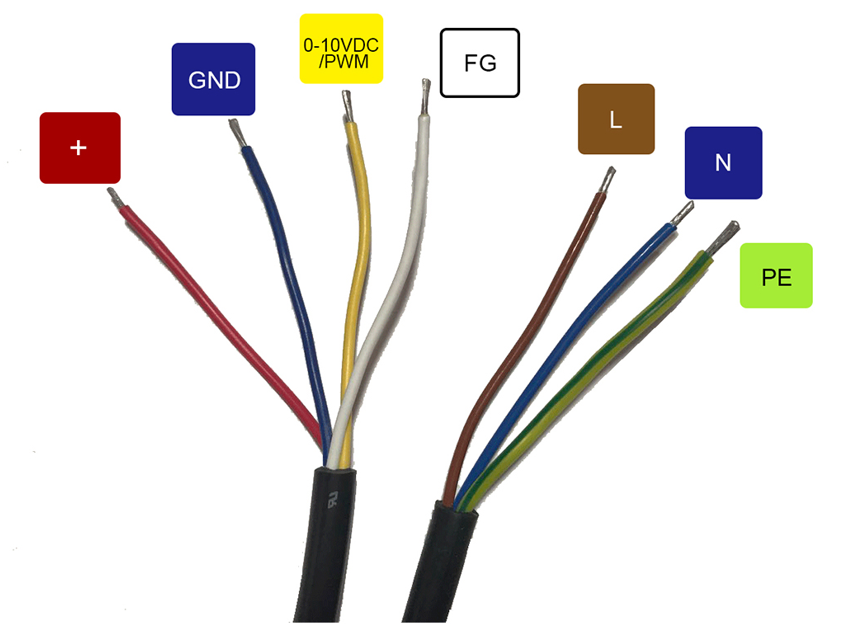
Connection Diagram:
Description:
Energy-Efficient HVAC Solution
EC backward curved centrifugal fans redefine HVAC efficiency by combining electronically commutated (EC) motor technology with aerodynamically optimized backward curved blades. Unlike traditional AC fans, these models consume 30–40% less energy through adaptive speed control, automatically adjusting to system demands. Their 85–90% peak efficiency minimizes waste heat, reducing cooling loads in data centers or cleanrooms. Paired with low noise (55–68 dBA) and a 50,000-hour lifespan, they slash maintenance costs while meeting LEED sustainability standards. Ideal for energy-conscious facilities seeking ROI within 2–3 years.
Specifications:
Brand Name | YUTEC |
Impeller Material | PA66+GF25 |
Motor Type | BLDC External Rotor Motor |
Type of Protection | IP44 |
Insulation Class | Class B |
Speed Control | 0-10VDC/PWM |
Bearing | Ball Bearing |
Signal Output | FG |
Life Expectance | 50,000 Hours |
Electrical Protection | Locked Rotor Protection |
Reverse Polarity Protection | |
Over Voltage Protection | |
Soft Start |
Competitive Advantage:
1. Energy Efficiency Optimization
EC backward curved centrifugal fans integrate electronically commutated (EC) motors, which eliminate brush-related energy losses and achieve 90%+ efficiency—20% higher than AC alternatives. Their backward curved impeller design ensures stable airflow under pressure, reducing energy waste in HVAC systems, industrial exhausts, or cleanrooms.
2. Precise Speed Control
Unlike fixed-speed AC fans, EC motors enable stepless speed regulation (0–100%) via PWM or 0–10V signals. This allows operators to match airflow to demand, slashing energy use by 30–50% in variable-load scenarios like laboratory fume hoods or data center cooling.
3. Low Noise Operation
The backward curved impeller minimizes turbulence and aerodynamic drag, reducing noise by 10–15 dBA compared to forward-curved designs. Paired with EC motors’ smooth operation, these fans deliver 60–75 dBA—ideal for noise-sensitive areas like hospitals, offices, or residential complexes.