
Previous
Next
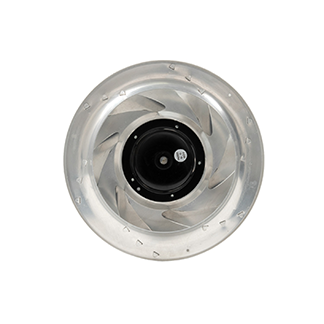
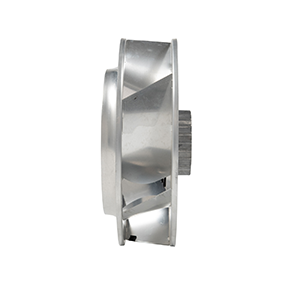
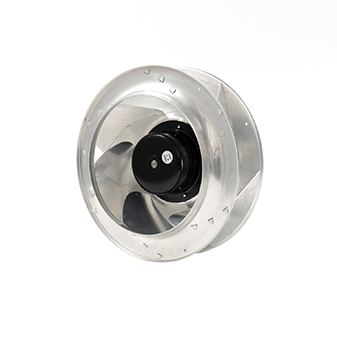
YUTEC 310mm 380vac 102motor backward curved centrifugal fan
- Fan model: YUTEC-B310EC102-380H-A02
- Rated Voltage: 380VAC
- Rated Current: 1.3A
- Rated Power: 465W
- Rated Speed: 2400RPM
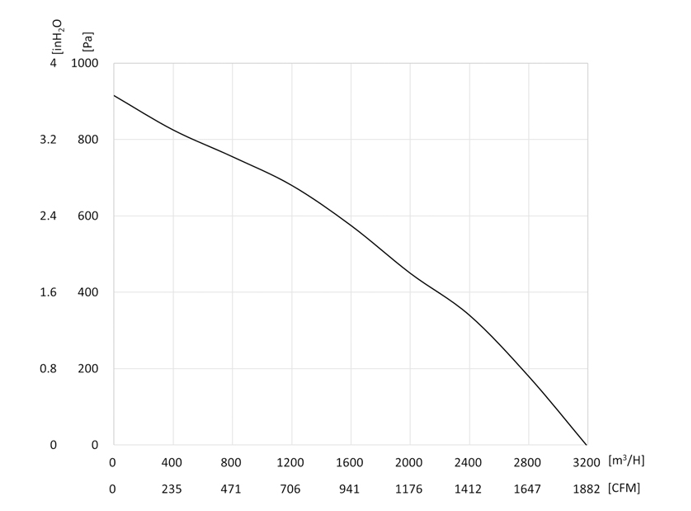
- Air Flow: 3190M3/H
- Air Pressure: 915Pa
- Noise Level:78dBA
- Frequency: 50/60Hz
- Brand: YUTEC
Description
Dimensional drawing:
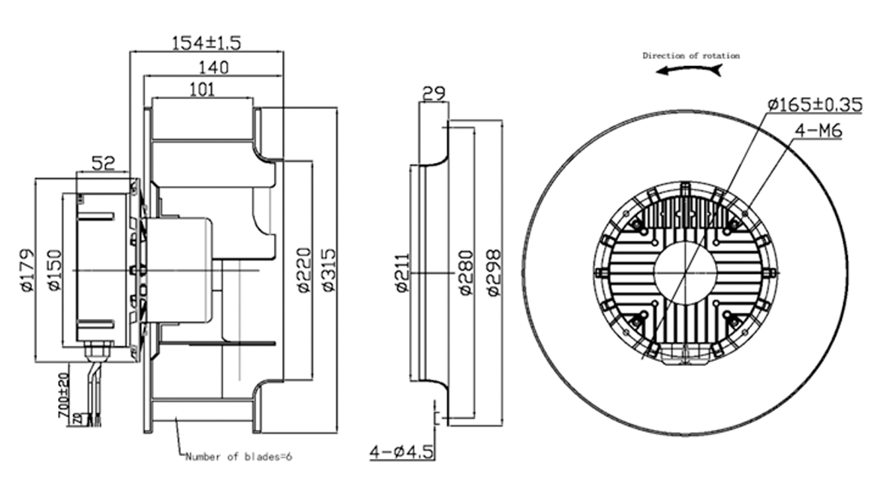
Performance Curve:
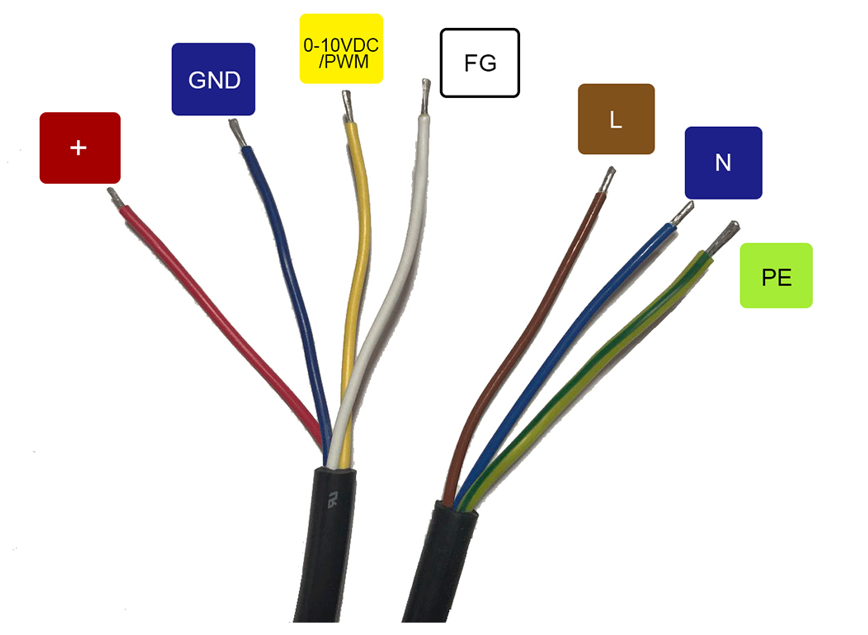
Connection Diagram:
Description:
An EC fan integrates an electronic controller directly into the motor, enabling seamless communication with building automation systems (BAS). It supports analog signals (0-10V, 4-20mA) and digital protocols (e.g., Modbus, BACnet), allowing dynamic adjustments to airflow based on real-time demand. This eliminates the need for external variable frequency drives (VFDs), simplifying installation and reducing maintenance.
Specifications:
Brand Name | YUTEC |
Impeller Material | Aluminum Alloy Sheet |
Motor Type | BLDC External Rotor Motor |
Type of Protection | IP44 |
Insulation Class | Class B |
Speed Control | 0-10VDC/PWM |
Bearing | Ball Bearing |
Signal Output | FG |
Life Expectance | 50,000 Hours |
Electrical Protection | Locked Rotor Protection |
Reverse Polarity Protection | |
Over Voltage Protection | |
Soft Start |
Competitive Advantage:
1. Lower Maintenance Requirements
EC fans require minimal maintenance due to their brushless design and integrated electronics. Traditional fans need periodic brush replacements and motor inspections, while EC fans eliminate these tasks. Their sealed construction also protects against dust and moisture, reducing the risk of mechanical failure. For example, in agricultural settings, EC fans resist corrosion and debris buildup, ensuring reliable operation with annual checks only.
2. Compact and Lightweight Design
EC fans integrate the motor and controller into a single unit, reducing size and weight. This modular design simplifies installation in tight spaces, such as retrofitting existing HVAC systems or integrating into compact equipment like air purifiers. Their lightweight construction also lowers shipping costs and eases handling during installation.