Previous
Next
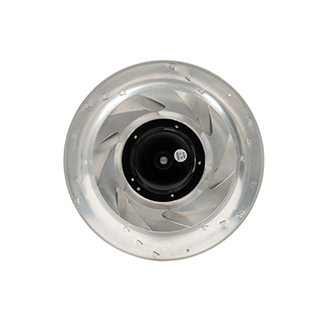
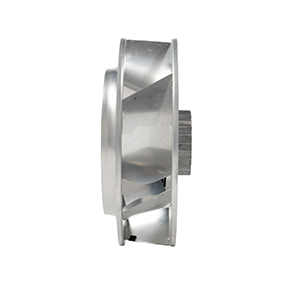
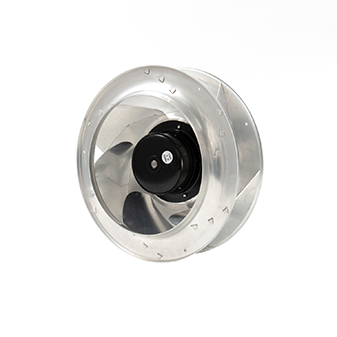
YUTEC 310mm 92motor backward curved centrifugal fan with medium speed
- Fan model: YUTEC-B310EC92-115M-A02; YUTEC-B310EC92-230M-A02
- Rated Voltage: 115VAC;230VAC
- Rated Current: 2.6A;1.3A
- Rated Power: 170W
- Rated Speed: 1950RPM
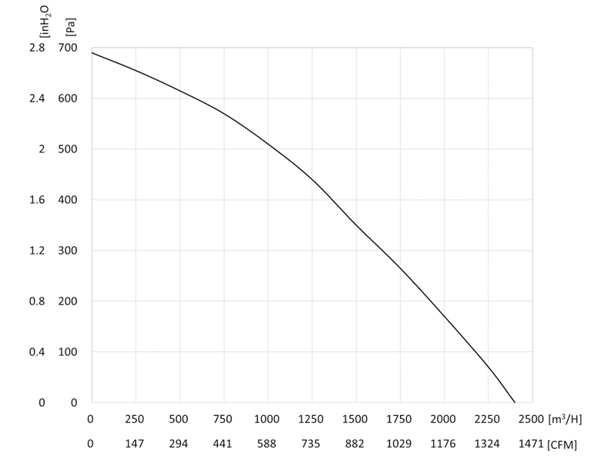
- Air Flow: 2400M3/H
- Air Pressure: 690Pa
- Noise Level:68dBA
- Frequency: 50/60Hz
- Weight: 3.1KG
- Brand: YUTEC
Description
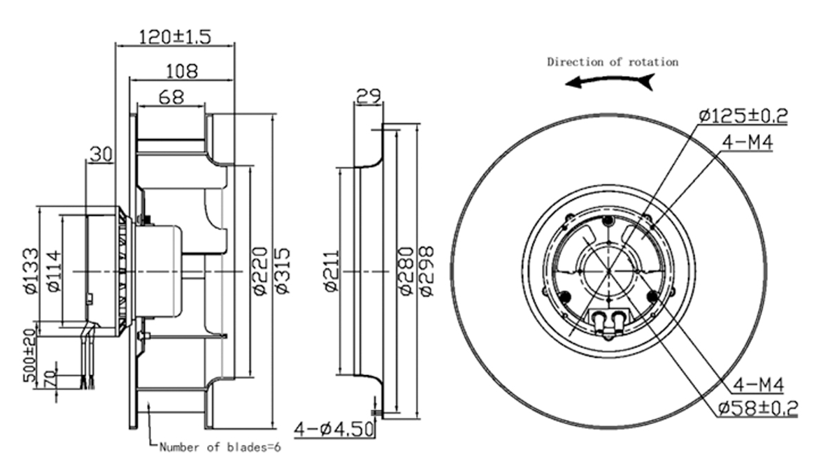
Dimensional drawing:
Performance Curve:
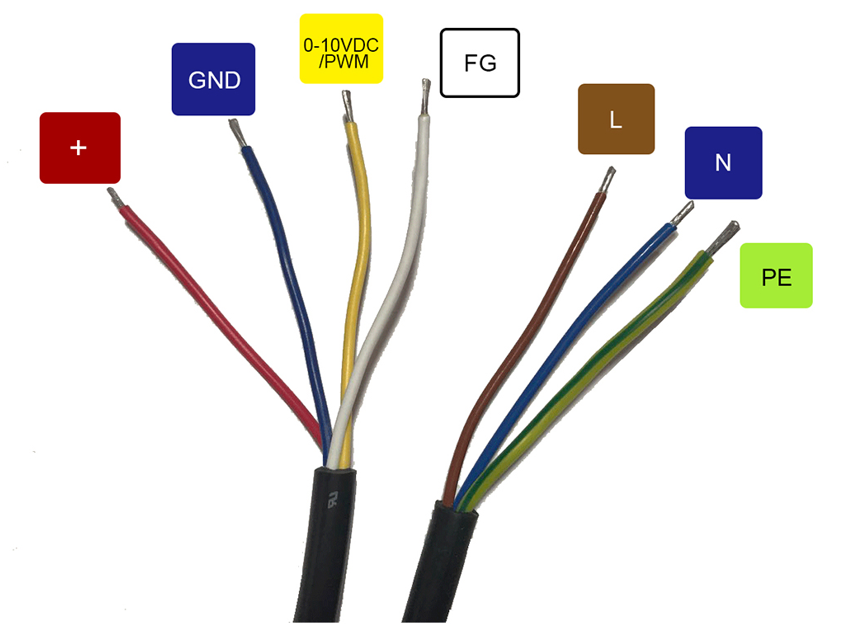
Connection Diagram:
Description:
Design Principles: Aerodynamics & Efficiency in EC Backward Curved Fans
The backward curved impeller is the heart of these fans. Unlike forward-curved designs, which rely on high airflow at low pressure, backward curved blades generate higher pressure at lower speeds, reducing turbulence and energy waste. The curved profile ensures self-cleaning—dust and debris slide off, minimizing maintenance.
Technical Specifications:
Impeller Material: Aluminum or galvanized steel for corrosion resistance.
Motor Type: Permanent magnet synchronous (PMSM) for 95% efficiency.
Speed Range: 0–100% via digital controllers.
Example: A foundry in China installed EC backward curved fans for exhaust, cutting energy use by 35% and extending filter life by 40% due to reduced dust accumulation.
Specifications:
Brand Name | YUTEC |
Impeller Material | Aluminum Alloy Sheet |
Motor Type | BLDC External Rotor Motor |
Type of Protection | IP44 |
Insulation Class | Class B |
Speed Control | 0-10VDC/PWM |
Bearing | Ball Bearing |
Signal Output | FG |
Life Expectance | 50,000 Hours |
Electrical Protection | Locked Rotor Protection |
Reverse Polarity Protection | |
Over Voltage Protection | |
Soft Start |
Competitive Advantage:
1. Humidity-Resistant Operation
Coated impellers and corrosion-resistant motors withstand 95%+ relative humidity, ideal for swimming pool ventilation, greenhouses, or food processing plants.
2. Reduced Motor Heat Dissipation
EC motors generate 50% less heat than AC motors, lowering cooling demands in server rooms or telecom shelters and improving overall system efficiency.
3. Quick Payback in High-Usage Scenarios
In 24/7 operations like data centers or hospitals, energy savings from EC backward curved fans offset their higher upfront cost within 18–24 months.
4. Seismic-Rated Designs
Rigid mounting brackets and reinforced casings meet IBC 2018 seismic codes, ensuring safety in earthquake-prone regions like California or Japan.