
Previous
Next
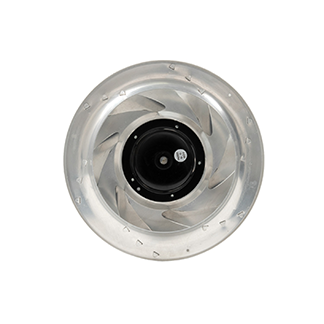
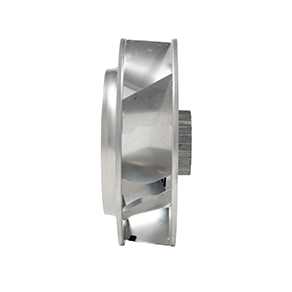
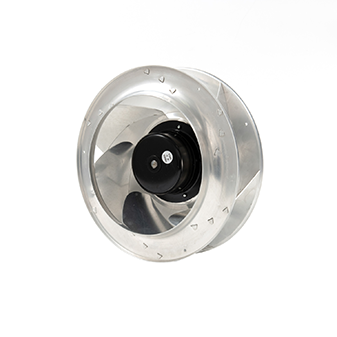
YUTEC 355mm centrifugal fan with 102motor for kitchen
- Fan model: YUTEC-B355EC102-115H-A02; YUTEC-B355EC102-230H-A02
- Rated Voltage: 115VAC;230VAC
- Rated Current: 3.36A;1.68A
- Rated Power: 385W
- Rated Speed: 2050RPM
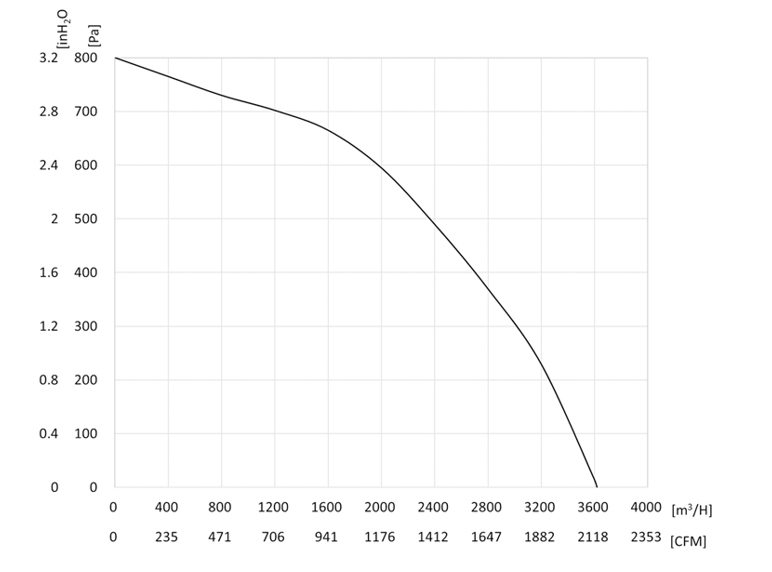
- Air Flow: 3620M3/H
- Air Pressure: 800Pa
- Noise Level:75dBA
- Frequency: 50/60Hz
- Weight: 5.3KG
- Brand: YUTEC
Description
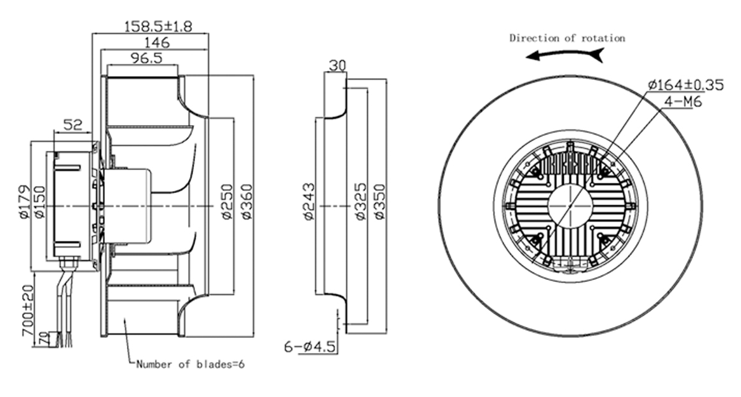
Dimensional drawing:
Performance Curve:
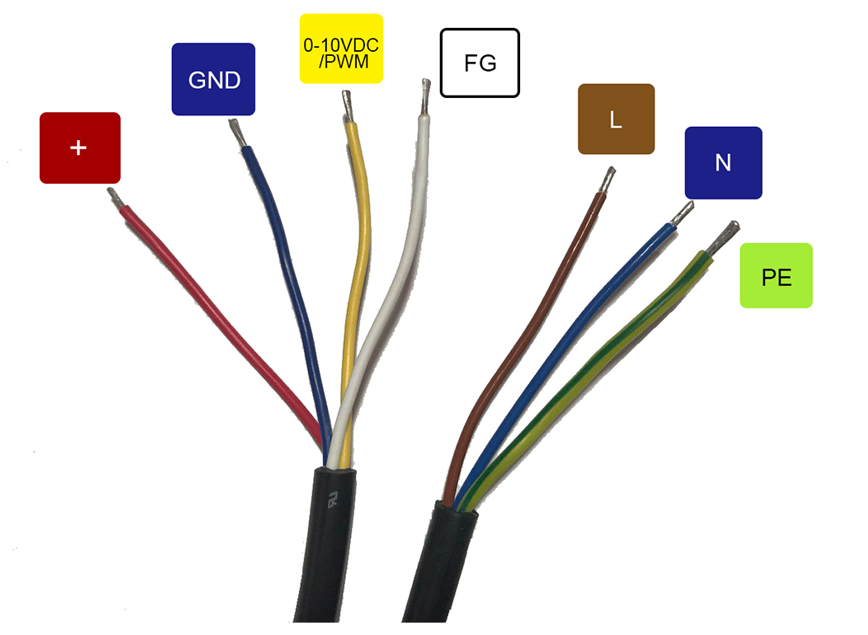
Connection Diagram:
Description:
The Role of EC Backward Curved Fans in Green Building Certifications
LEED, BREEAM, and WELL standards prioritize energy efficiency and indoor air quality. EC backward curved fans contribute by:
Reducing Energy Use: 30–50% savings vs. AC fans.
Improving IAQ: Consistent airflow prevents CO₂ buildup.
Enabling Smart Controls: IoT integration for real-time optimization.
Certification Points:
LEED v4.1: Earns up to 10 points for energy optimization.
WELL v2: Meets air quality and noise reduction criteria.
Example: A LEED Platinum office building in Singapore achieved 42% energy savings by adopting EC backward curved fans in its HVAC system.
Specifications:
Brand Name | YUTEC |
Impeller Material | Aluminum Alloy Sheet |
Motor Type | BLDC External Rotor Motor |
Type of Protection | IP44 |
Insulation Class | Class B |
Speed Control | 0-10VDC/PWM |
Bearing | Ball Bearing |
Signal Output | FG |
Life Expectance | 50,000 Hours |
Electrical Protection | Locked Rotor Protection |
Reverse Polarity Protection | |
Over Voltage Protection | |
Soft Start |
Competitive Advantage:
1. Smart Integration
EC fans support digital communication protocols (e.g., Modbus, BACnet), enabling seamless integration with building management systems (BMS). This allows remote monitoring, predictive maintenance, and energy optimization through data-driven insights. For instance, in smart buildings, BMS can adjust fan speeds based on occupancy or CO2 levels, enhancing efficiency and user comfort.
2. Cost Savings Over Time
While initial costs may be higher, the energy savings and reduced maintenance requirements of EC backward curved fans result in a lower total cost of ownership (TCO). Over a 5–10 year period, users often recoup their investment through lower electricity bills and fewer replacement parts, making them a financially prudent choice for large-scale deployments.