
Previous
Next
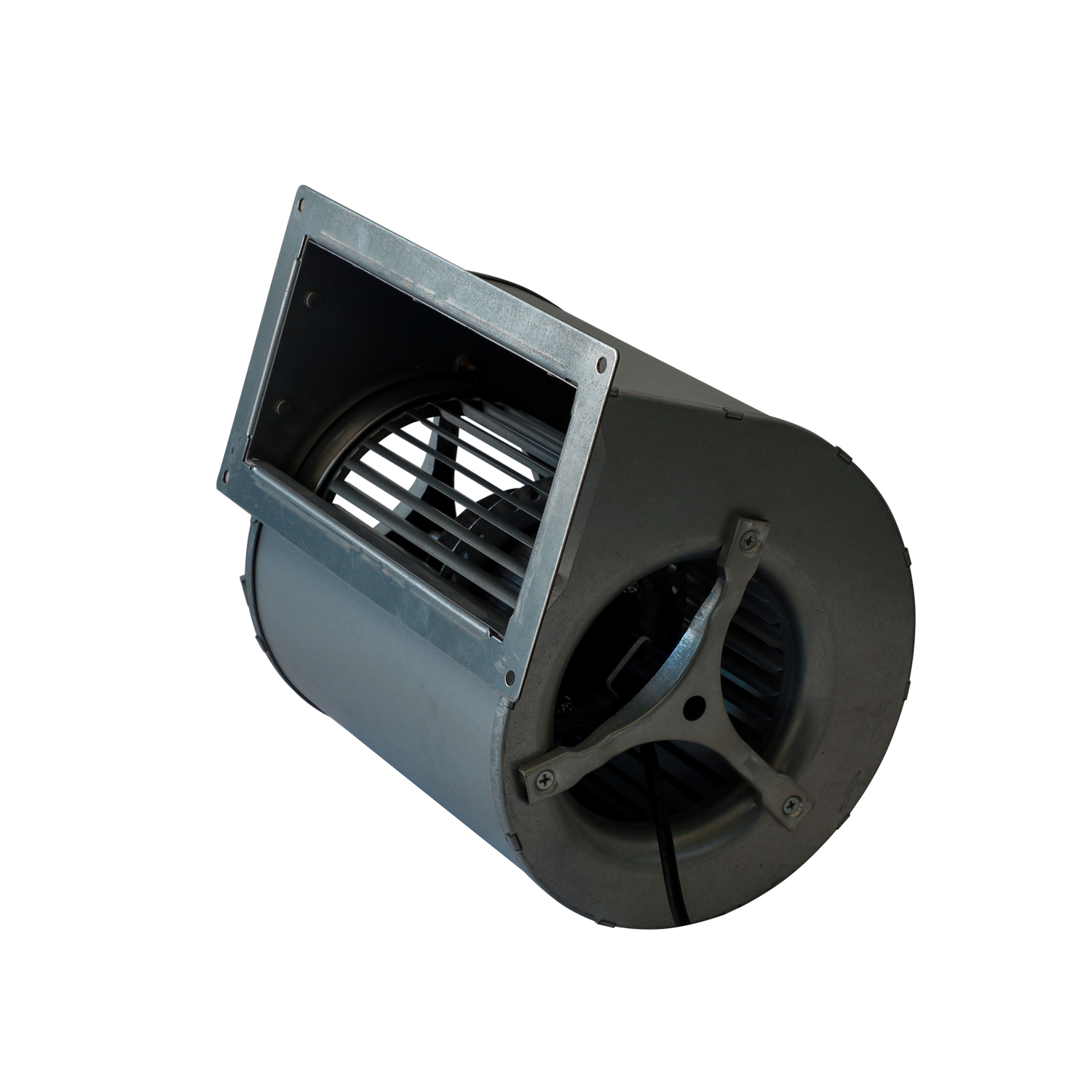
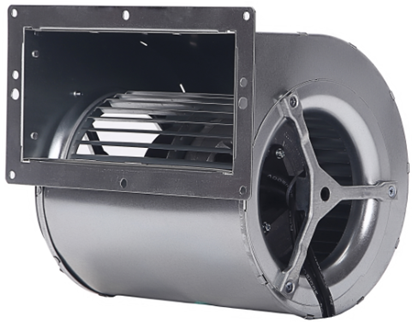
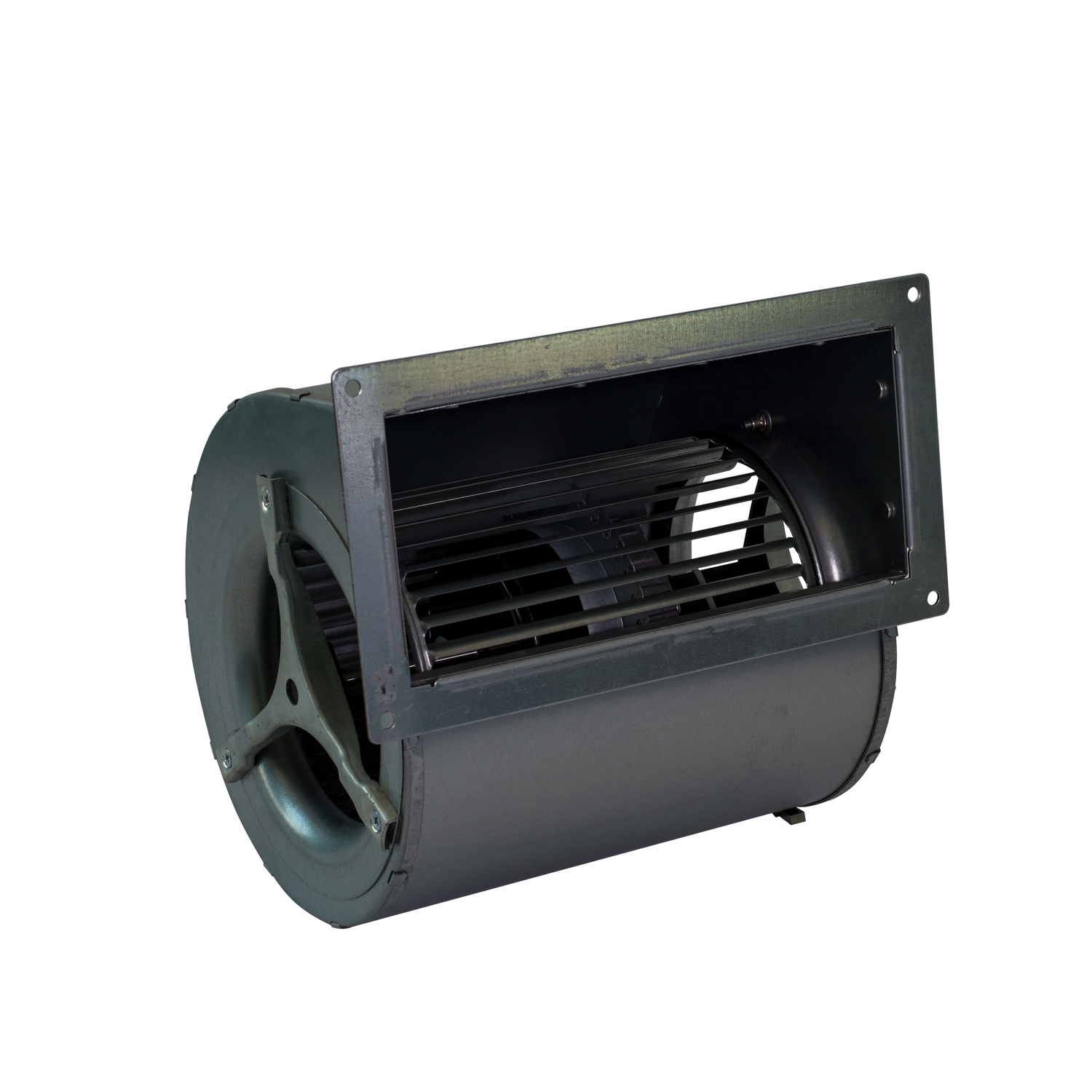
YUTEC 115VAC 230VAC 133mm 72motor Double inlet blower fan
- Fan model: YUTEC-D133EC72-115M-G02; YUTEC-D133EC72-230M-G02
- Rated Voltage: 115VAC;230VAC
- Rated Current: 1.8A; 0.9A
- Rated Power: 120W
- Rated Speed: 1400RPM
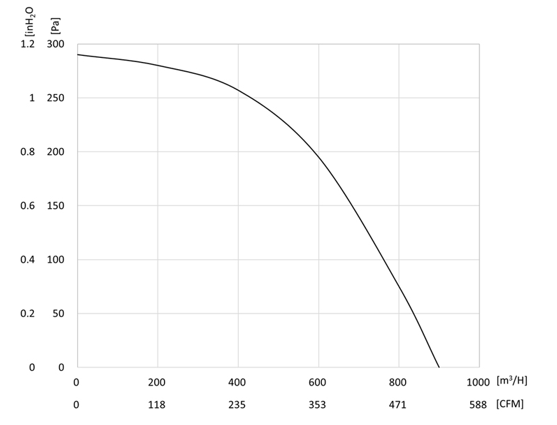
- Air Flow: 900M3/H
- Air Pressure: 290Pa
- Noise Level:67dBA
- Frequency: 50/60 Hz
- Weight:3.2KG
- Brand: YUTEC
Description
Dimensional drawing:
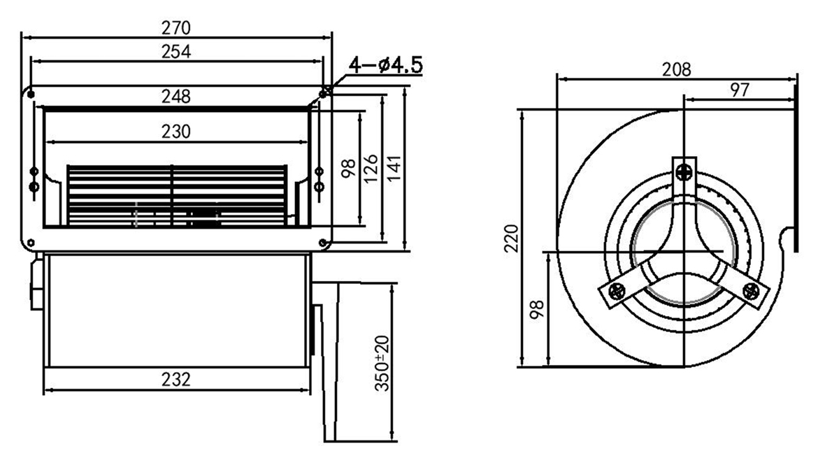
Performance Curve:
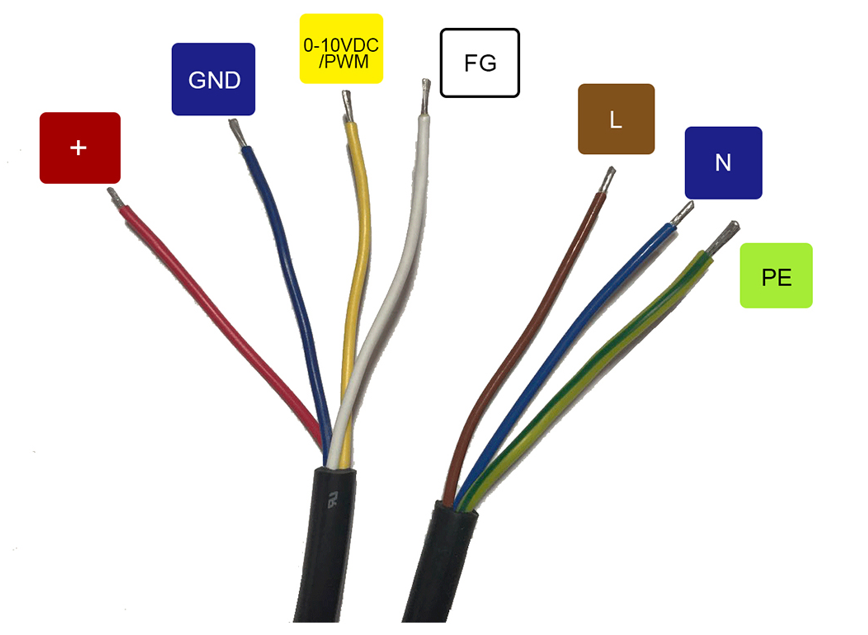
Connection Diagram:
Description:
An EC (Electronically Commutated) forward-curved centrifugal fan is a type of fan that combines advanced electronic commutation technology with a forward-curved impeller design. The "EC" aspect refers to the use of an electronically commutated motor, which is essentially a brushless DC motor with built-in electronic controls. This motor allows for precise speed regulation, high efficiency, and intelligent control capabilities. The forward-curved impeller, on the other hand, is characterized by its blades that curve in the direction of rotation, which enables it to generate high airflow rates at relatively lower static pressures compared to backward-curved or radial impellers. This combination of technologies makes EC forward-curved centrifugal fans ideal for applications where energy efficiency, precise control, and high airflow are critical, such as in HVAC systems, ventilation units, and various industrial processes. The electronic commutation motor eliminates the need for mechanical brushes and commutators, reducing maintenance requirements and increasing the lifespan of the fan.
l Specifications:
Brand Name | YUTEC |
Impeller Material | Galvanized Metal Sheet |
Motor Type | BLDC External Rotor Motor |
Type of Protection | IP44 |
Insulation Class | Class B |
Speed Control | 0-10VDC/PWM |
Bearing | Ball Bearing |
Signal Output | FG |
Life Expectance | 50,000 Hours |
Electrical Protection | Locked Rotor Protection |
Reverse Polarity Protection | |
Over Voltage Protection | |
Soft Start |
Competitive Advantage:
1. High Energy Efficiency
EC (Electronically Commutated) double-inlet centrifugal fans are renowned for their high energy efficiency. The integration of an EC motor, which operates on direct current (DC) and includes built-in electronic control, allows for precise speed regulation. This means the fan can adjust its output to match the exact demand, avoiding unnecessary energy consumption. Unlike traditional AC motors, EC motors eliminate the need for mechanical commutators and brushes, reducing friction and energy losses. As a result, these fans consume significantly less power, leading to lower electricity bills and a reduced carbon footprint. This efficiency is particularly beneficial in applications where fans operate continuously, such as in HVAC systems or industrial ventilation, where even small savings in energy can accumulate to substantial cost reductions over time.
2. Precise Speed Control
One of the standout advantages of EC double-inlet centrifugal fans is their ability to offer precise speed control. The electronic control system within the EC motor allows for fine-tuning of the fan's rotational speed, enabling it to respond dynamically to changing conditions. This precision is invaluable in applications where maintaining a specific airflow or pressure is critical, such as in cleanrooms, laboratories, or data centers. By adjusting the speed to match the exact requirements, the fan can optimize performance while minimizing energy use. This level of control also reduces wear and tear on the fan components, extending their lifespan and reducing maintenance costs.
3. Quiet Operation
EC double-inlet centrifugal fans are designed to operate quietly, making them ideal for environments where noise is a concern. The brushless DC motor design of the EC motor eliminates the mechanical noise associated with traditional brushed motors, such as brush friction and sparking. Additionally, the precise speed control allows the fan to run at lower speeds when full capacity is not needed, further reducing noise levels. This makes EC fans suitable for use in residential buildings, offices, hospitals, and other settings where a quiet environment is essential for comfort and productivity.