
Previous
Next
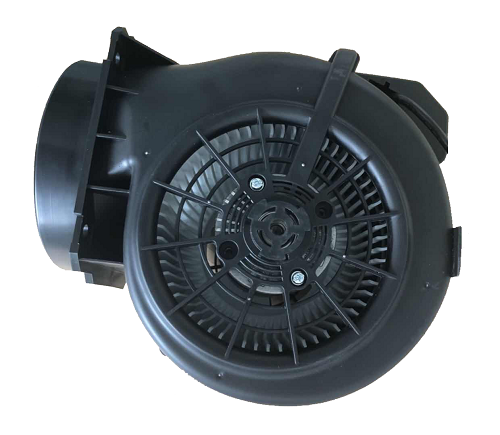
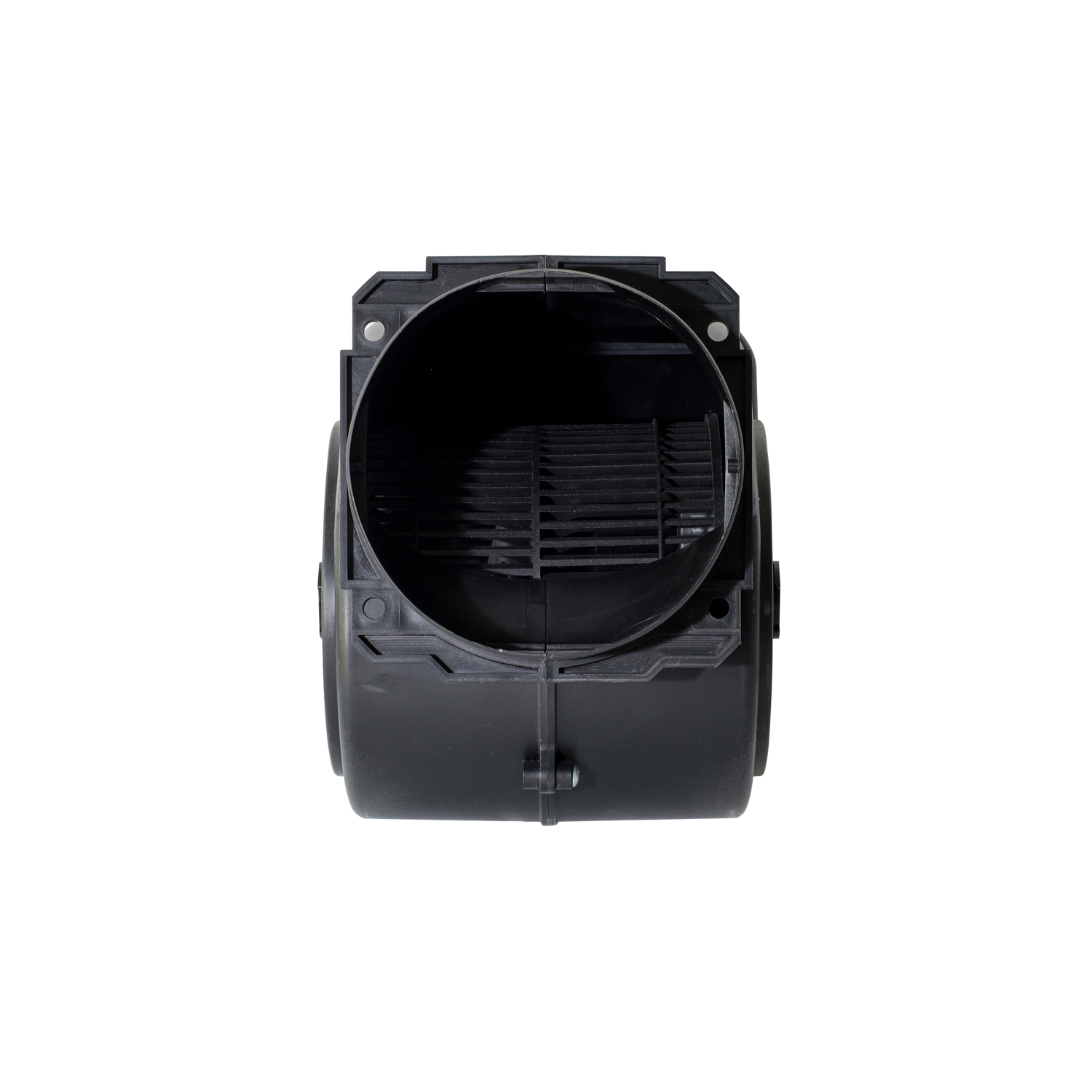
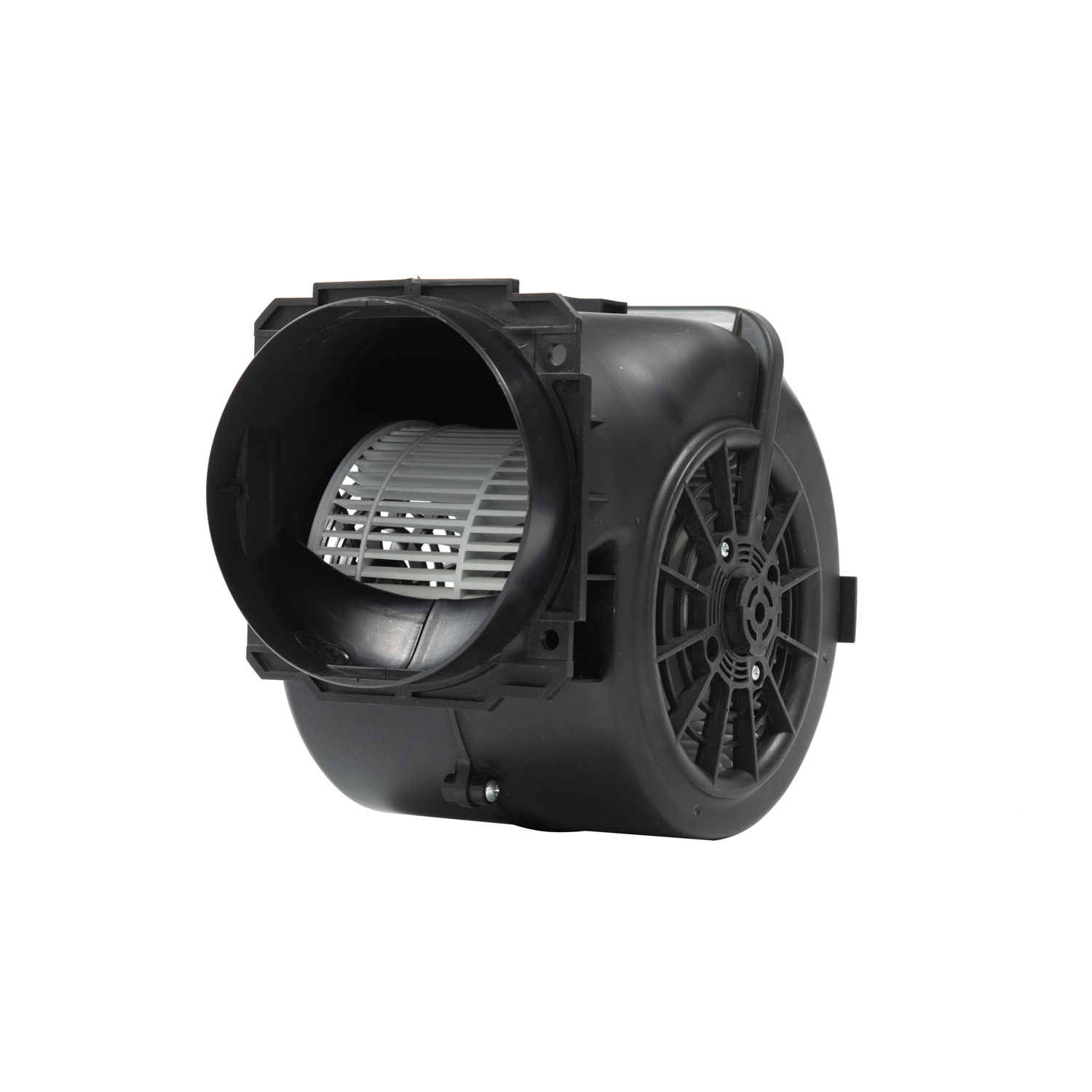
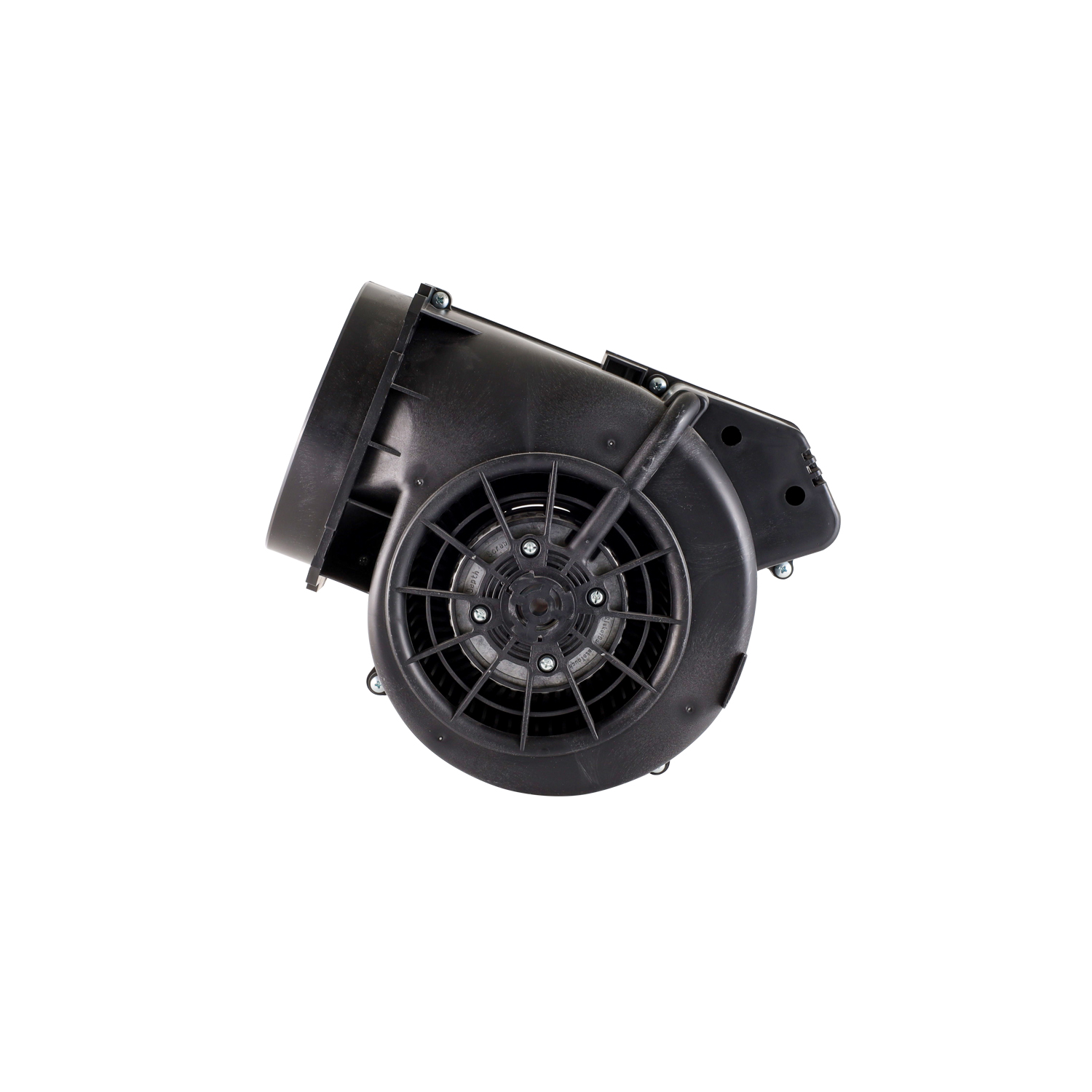
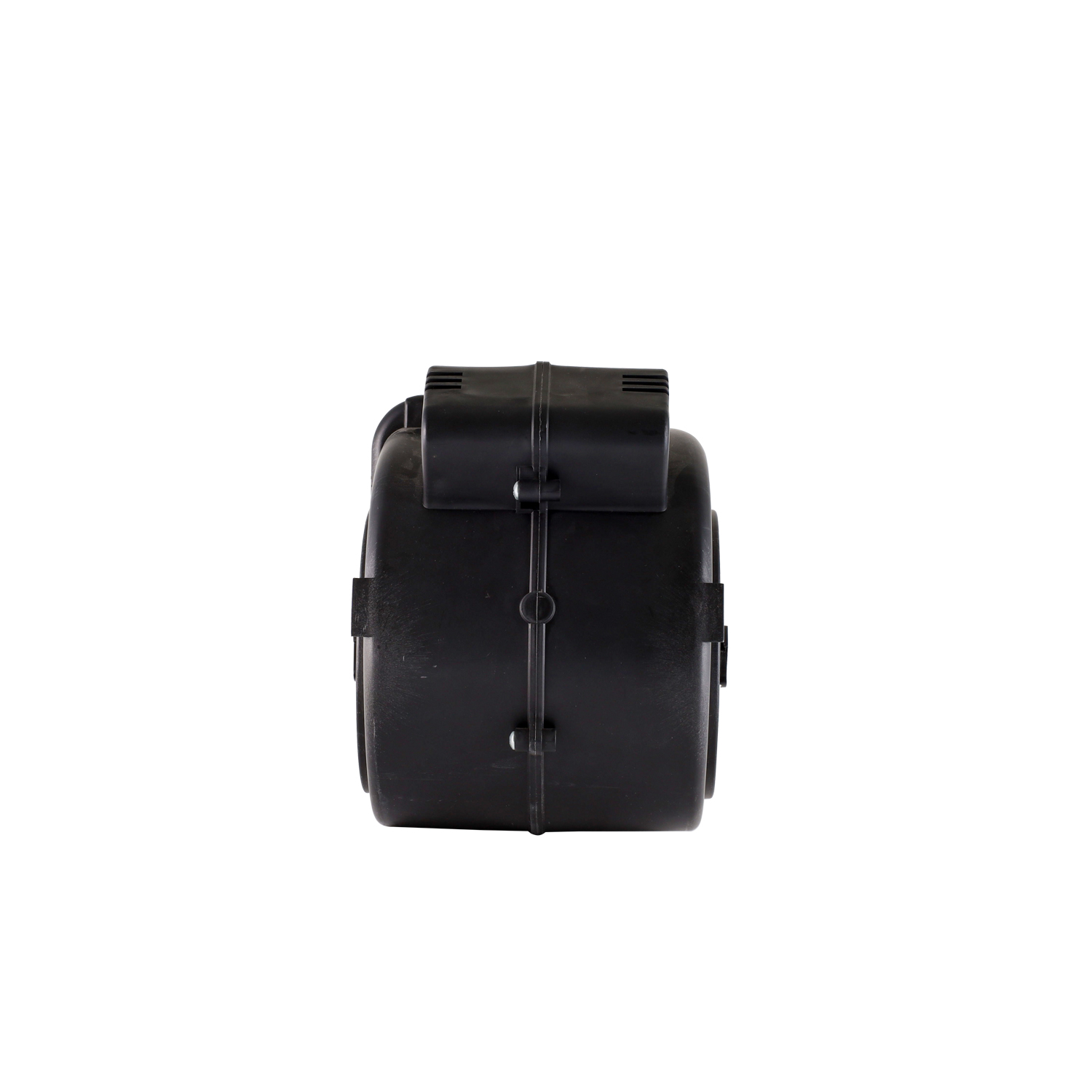
YUTEC 115VAC 230VAC 150mm 72motor Double inlet blower fan
- Fan model: YUTEC-D150EC72-115H-P02; YUTEC-D150EC72-230H-P02
- Rated Voltage: 115VAC;230VAC
- Rated Current: 2A; 1A
- Rated Power: 125W
- Rated Speed: 1580RPM
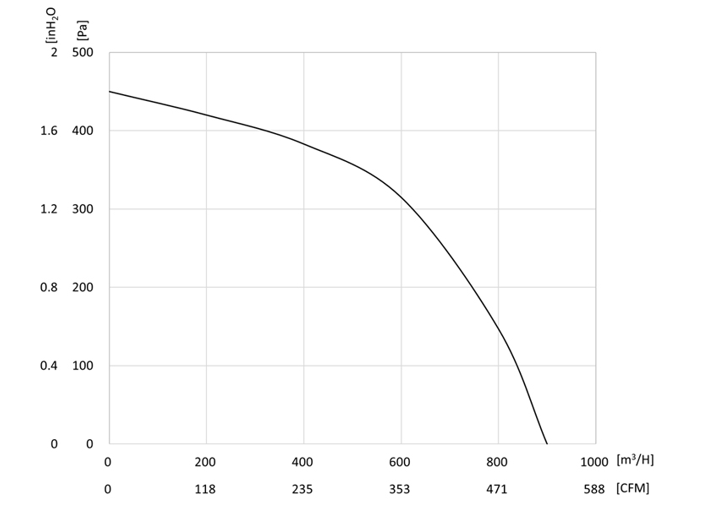
- Air Flow: 900M3/H
- Air Pressure: 450Pa
- Noise Level:55dBA
- Frequency: 50/60 Hz
- Weight:2KG
- Brand: YUTEC
Description
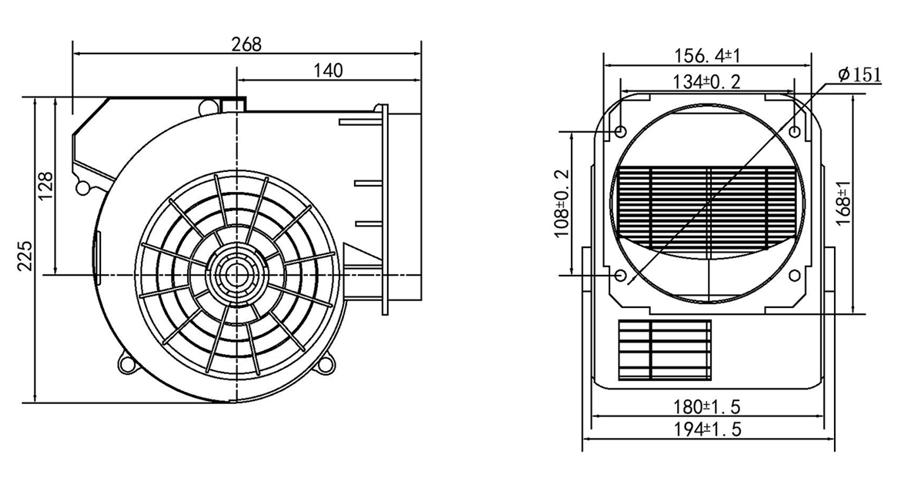
Dimensional drawing:
Performance Curve:
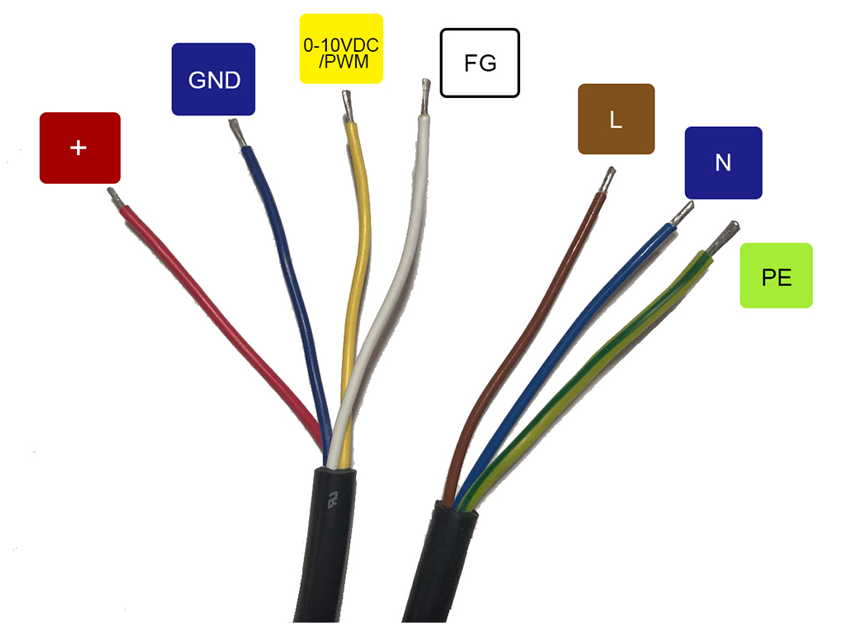
Connection Diagram:
Description:
An EC forward-curved centrifugal fan is a specialized type of fan engineered to meet the demanding needs of modern ventilation and air handling systems. It is particularly well-suited for applications that require high airflow rates at moderate static pressures, such as in air conditioning units, heat recovery systems, and industrial exhaust ventilation. The fan's forward-curved impeller design enables it to achieve a good balance between airflow and pressure, providing efficient performance across a wide range of operating conditions. The use of an EC motor further enhances the fan's capabilities by offering precise speed control, energy savings through demand-based operation, and seamless integration with building management systems. This makes EC forward-curved centrifugal fans an ideal solution for applications where energy efficiency, system reliability, and ease of control are paramount. Their ability to deliver consistent and reliable air movement while reducing operating costs and environmental impact positions them as a key component in sustainable building design and industrial ventilation strategies.
Specifications:
Brand Name | YUTEC |
Impeller Material | PA66+GF25 |
Motor Type | BLDC External Rotor Motor |
Type of Protection | IP44 |
Insulation Class | Class B |
Speed Control | 0-10VDC/PWM |
Bearing | Ball Bearing |
Signal Output | FG |
Life Expectance | 50,000 Hours |
Electrical Protection | Locked Rotor Protection |
Reverse Polarity Protection | |
Over Voltage Protection | |
Soft Start |
Competitive Advantage:
1. Smart Control and Integration
EC double-inlet centrifugal fans can be easily integrated into smart building systems, allowing for remote monitoring and control. The electronic control system in EC motors enables communication with building management systems (BMS) or other automation platforms, providing real-time data on fan performance, energy consumption, and maintenance needs. This integration allows for more efficient operation, as the fan can be adjusted automatically based on occupancy, temperature, or other environmental factors. Additionally, remote monitoring and diagnostics can help identify potential issues before they become major problems, reducing downtime and maintenance costs.
2. Environmental Friendliness
The energy efficiency and reduced power consumption of EC double-inlet centrifugal fans contribute to their environmental friendliness. By consuming less electricity, these fans help reduce greenhouse gas emissions and lower the overall environmental impact of ventilation systems. Additionally, the long lifespan and reduced maintenance requirements mean fewer resources are used in the production and disposal of fan components. For businesses and organizations looking to reduce their carbon footprint and comply with environmental regulations, EC fans offer a sustainable solution. Their use in green building designs and energy-efficient facilities further underscores their role in promoting environmental responsibility.
3. Cost Savings Over Time
While the initial investment in EC double-inlet centrifugal fans may be higher than traditional fans, the long-term cost savings are substantial. The energy efficiency of EC motors leads to significant reductions in electricity bills, while the reduced maintenance requirements lower operational costs. Additionally, the longer lifespan of EC fans means fewer replacements, further reducing expenses. For businesses and facilities that operate fans continuously, the return on investment for EC fans can be realized within a few years, making them a cost-effective choice in the long run.