
Previous
Next
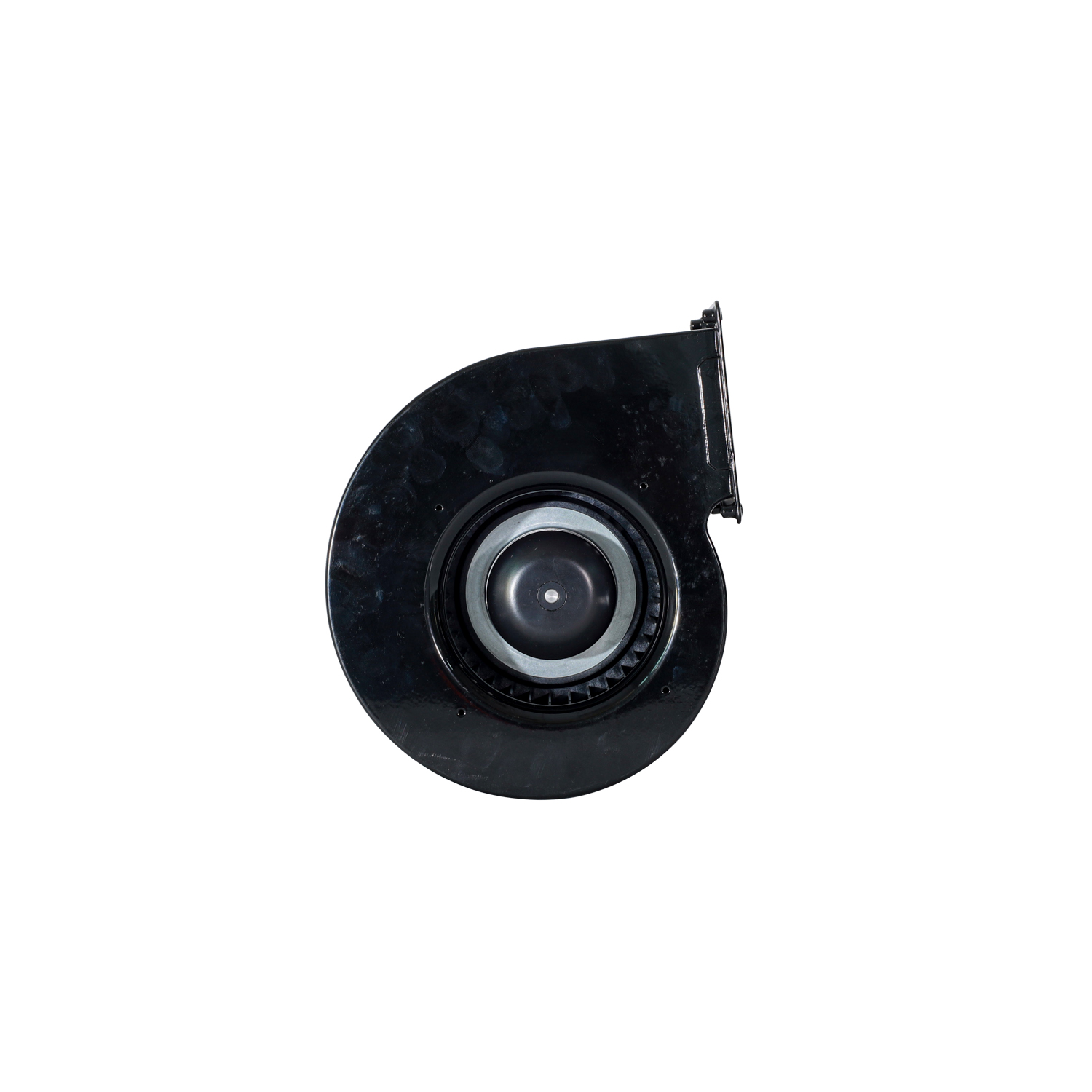
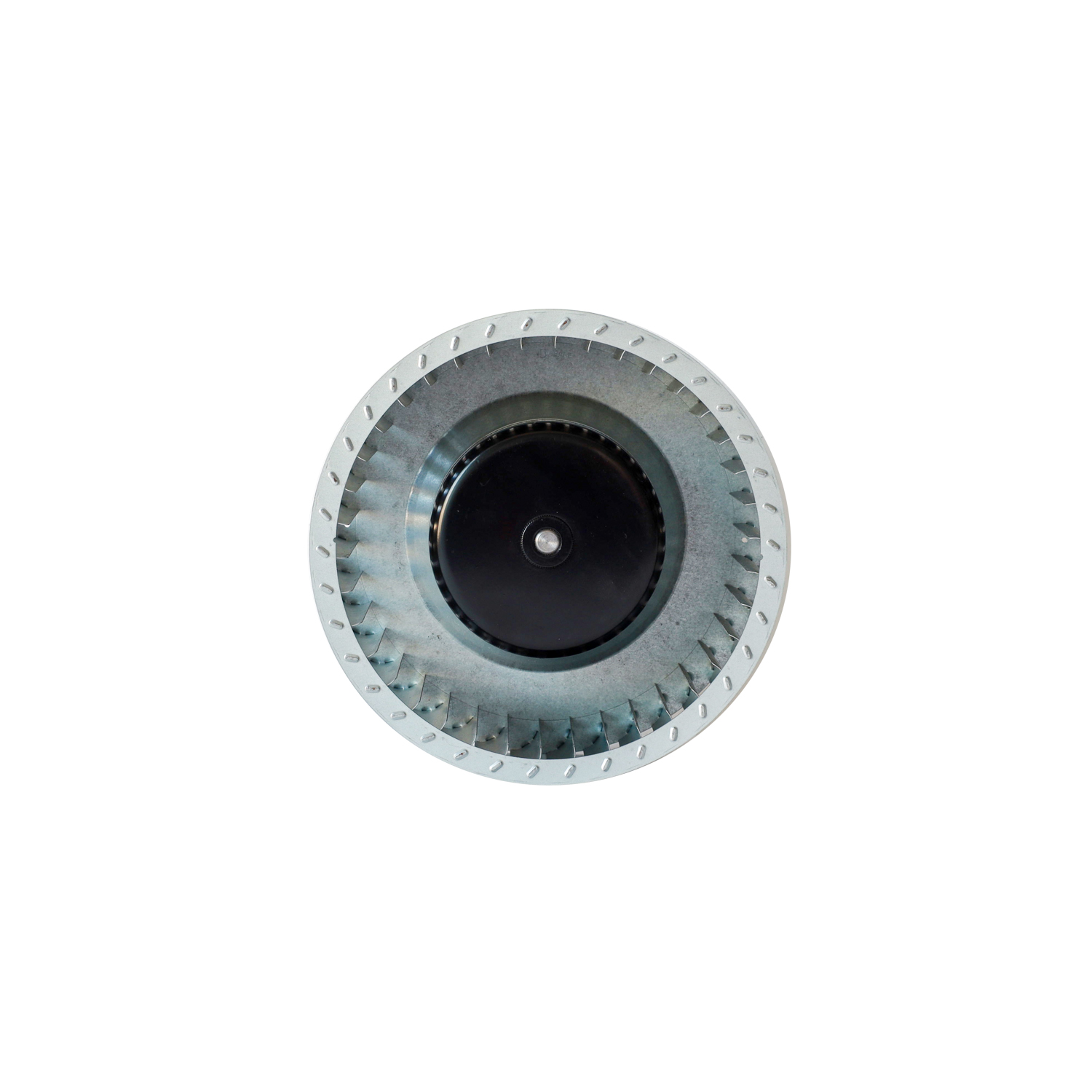
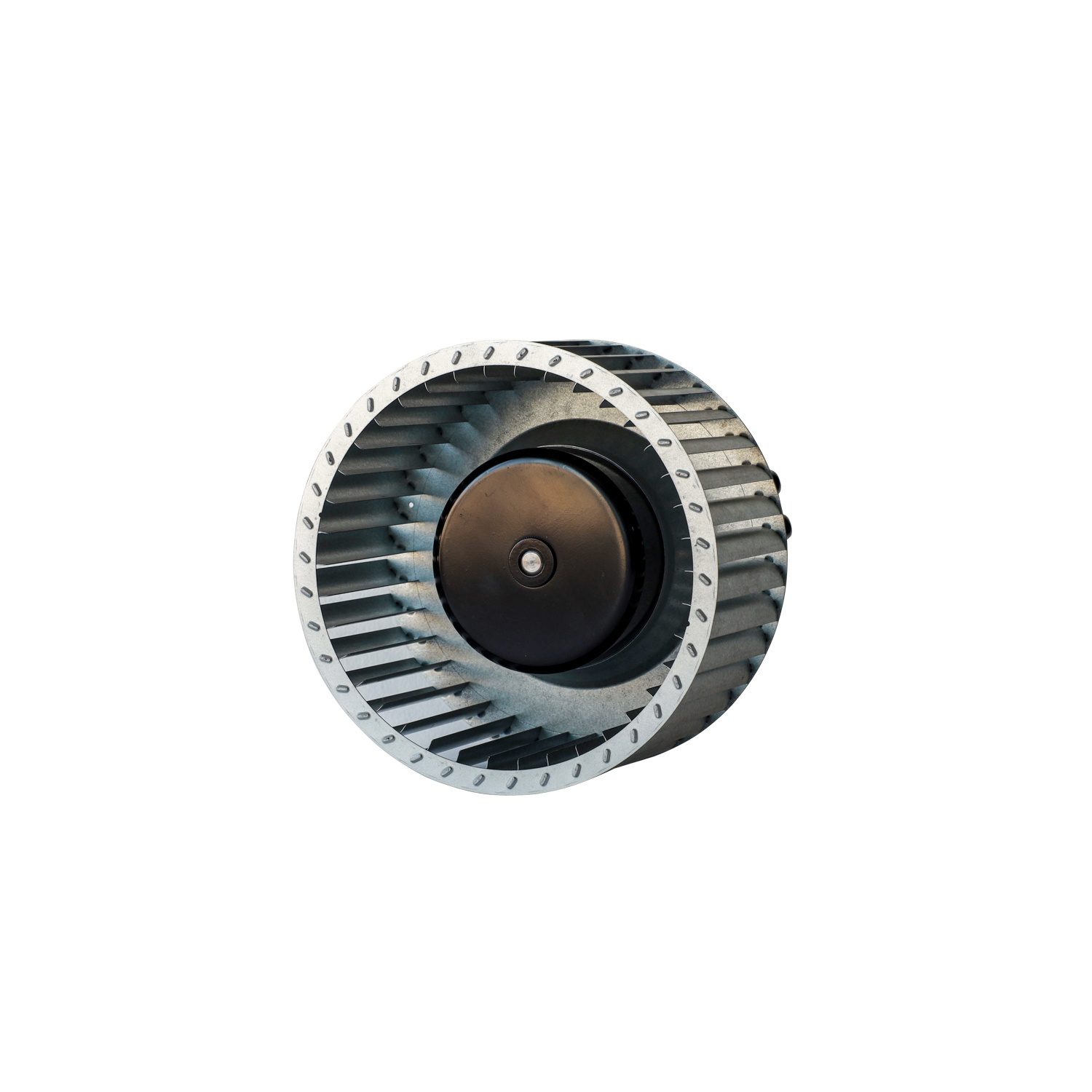
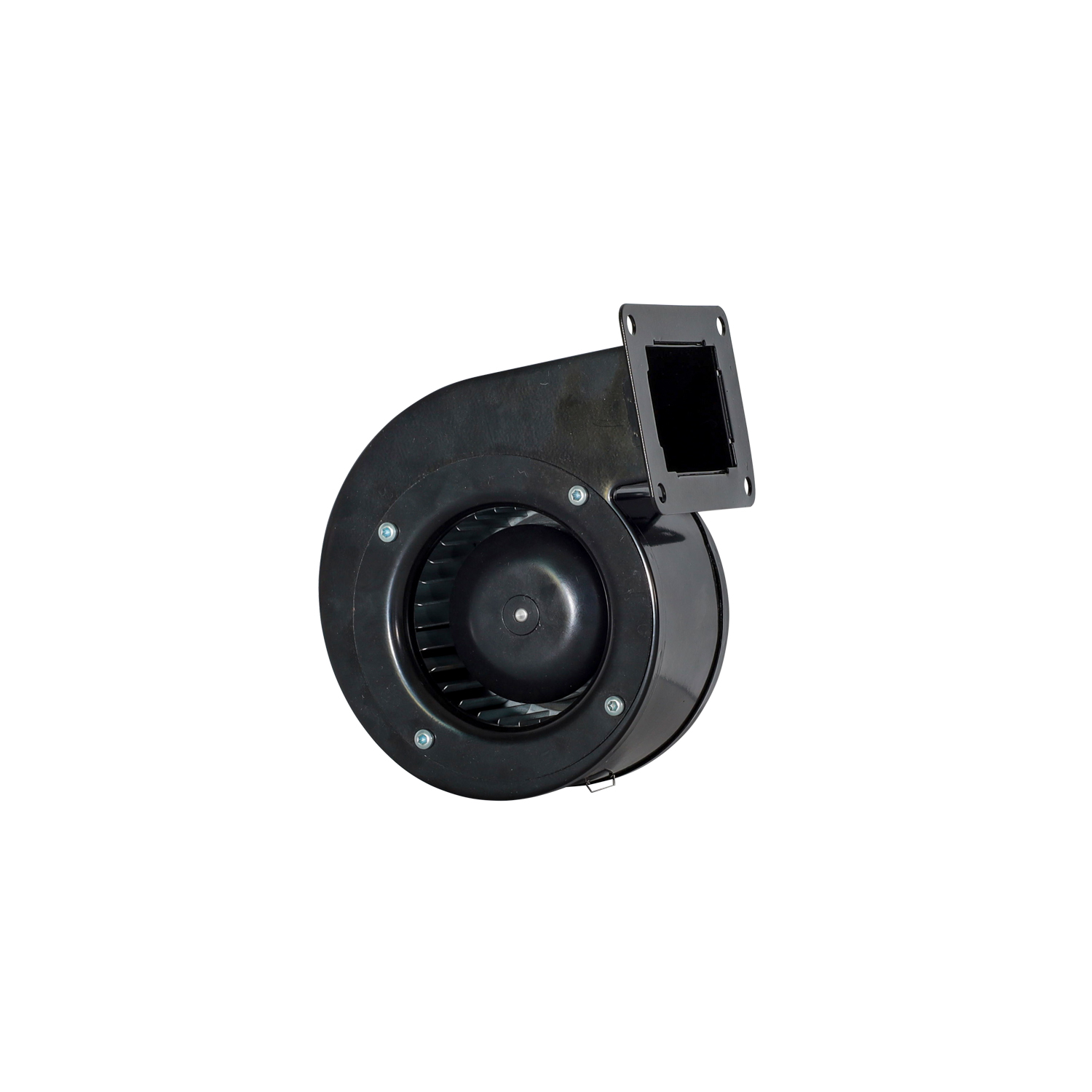
YUTEC 115VAC 230VAC 180mm 92motor Forward Curved Centrifugal Fan single inlet blower fan
- Fan model: YUTEC-S180EC92-115H-G02; YUTEC-S180EC92-230H-G02; YUTEC-F180EC92-115H-G02; YUTEC-F180EC92-230H-G02
- Rated Voltage: 115VAC;230VAC
- Rated Current: 2.7A; 1.35A
- Rated Power: 180W
- Rated Speed: 1600RPM
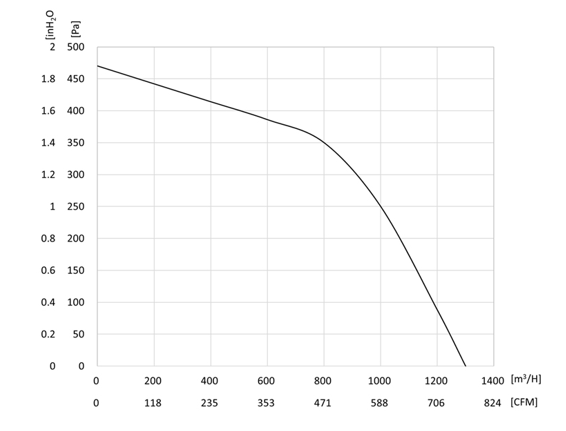
- Air Flow: 1300M3/H
- Air Pressure: 470Pa
- Noise Level:70dBA
- Frequency: 50/60 Hz
- Weight:4KG
- Brand: YUTEC
Description
Dimensional drawing:
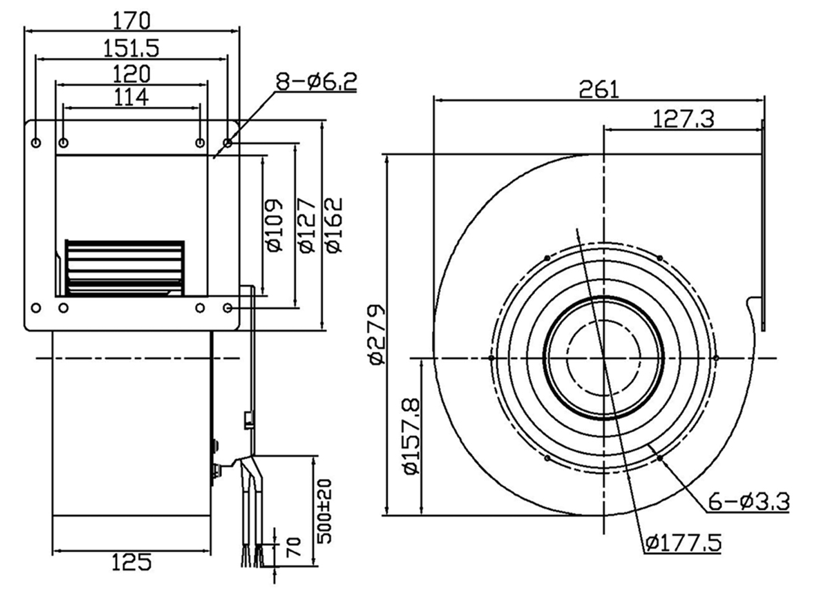
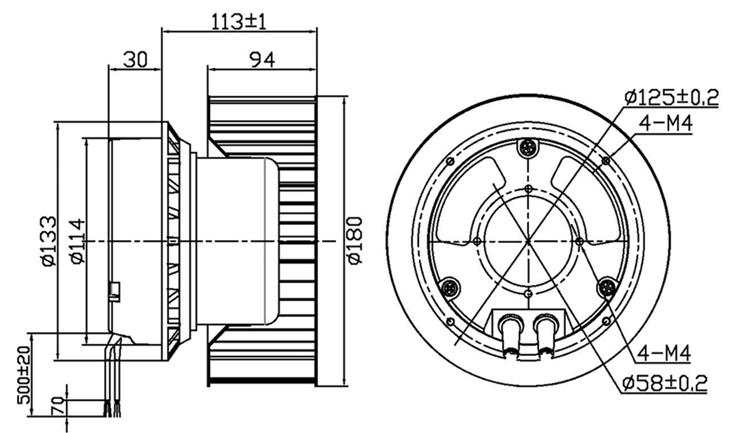
Performance Curve:
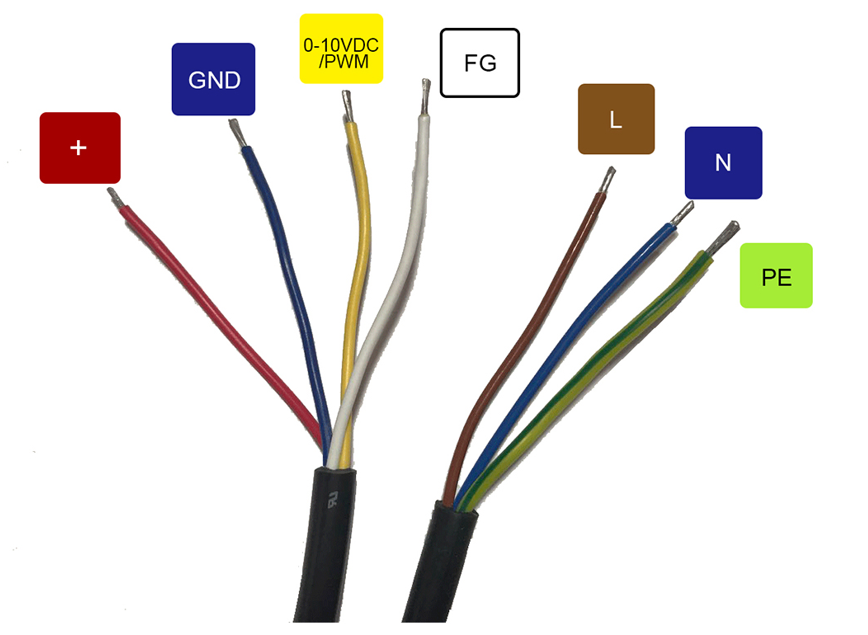
Connection Diagram:
Description:
An EC forward-curved centrifugal fan is a ventilation device that combines an electronically commutated motor with a forward-curved centrifugal impeller to deliver high-efficiency air movement. The EC motor's brushless DC design and integrated control electronics provide superior energy efficiency and reliable operation, while the forward-curved blade geometry optimizes airflow at lower pressures. This combination makes the fan suitable for a wide range of applications, including HVAC systems, industrial ventilation, and air purification, where performance and energy savings are paramount.
Specifications:
Brand Name | YUTEC |
Impeller Material | Galvanized Metal Sheet |
Motor Type | BLDC External Rotor Motor |
Type of Protection | IP44 |
Insulation Class | Class B |
Speed Control | 0-10VDC/PWM |
Bearing | Ball Bearing |
Signal Output | FG |
Life Expectance | 50,000 Hours |
Electrical Protection | Locked Rotor Protection |
Reverse Polarity Protection | |
Over Voltage Protection | |
Soft Start |
Competitive Advantage:
1.Cost-Effective Solution: Despite their advanced features and high performance, EC fans offer a cost-effective solution for many applications. The energy savings and reduced maintenance costs over time make them a cost-efficient choice compared to traditional fans.
2.High Pressure Capability: The forward-curved blade design of EC fans allows them to generate high pressure, making them suitable for applications requiring efficient air movement against resistance. This feature is particularly useful in HVAC systems and industrial ventilation applications.
3.Low Noise Emission: EC fans are designed to operate with low noise levels, ensuring a comfortable indoor environment. The advanced motor technology and optimized blade design contribute to reduced noise emissions, making them suitable for noise-sensitive applications.
4. Future-Proof Technology: EC fans incorporate advanced technology that is designed to be future-proof. Their compatibility with smart building systems and IoT technologies allows for seamless integration into modern building designs, ensuring long-term relevance and adaptability to changing technological landscapes.